
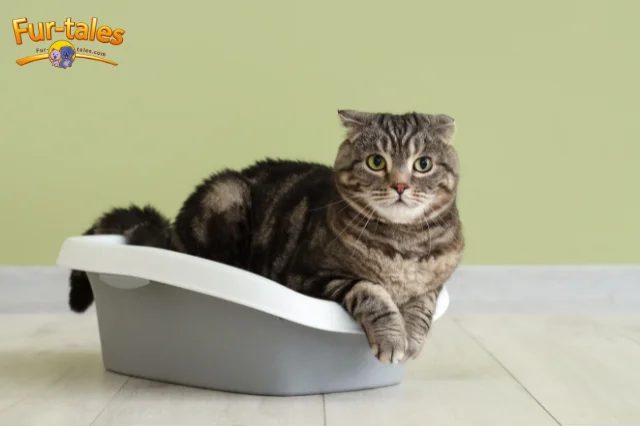
What Does Your Cat’s Poop Reveal About Their Health?
If you share a home with a feline, you already scoop the litter box daily—but have you ever paused to inspect what’s inside? While it may feel unglamorous, learning to read Cat’s Poop is one of the fastest ways to spot diet issues, detect hidden illnesses, and keep vet bills in check. Think of the litter box as a built-in health report your cat files every day, free of charge.
1. Why Monitoring Stool Matters
Cats are masters at hiding pain; wild instincts tell them weakness invites predators. Subtle changes in Cat’s Poop often surface days—or even weeks—before obvious symptoms like lethargy or vomiting. By noting color, shape, consistency, and odor, you can catch digestive problems, parasites, kidney trouble, or food intolerances early, improving treatment success.
2. The Anatomy of a “Perfect” Cat Stool
The ideal specimen is firmly shaped like a small log, chocolate brown, and neither too dry nor sticky. It should hold form when you scoop but crumble minimally when pressed. Healthy cats generally defecate once daily; kittens and seniors may go twice. Any big swing from this baseline signals you to watch closely.
3. Color Clues and What They Mean
Brown isn’t the only shade you’ll see. Other hues reveal internal changes:
- Black or Tarry: Indicates digested blood from the upper GI tract—possible ulcers or swallowed foreign objects.
- Red Streaks: Bright blood often comes from the colon or rectum, linked to colitis or severe constipation.
- Yellow or Gray: Suggests trouble digesting fats, pointing to liver or pancreas disease.
- Green: May appear after your cat eats grass, but repeated green stools warrant a vet visit for gallbladder evaluation.
4. Texture and Consistency Spectrum
Veterinarians use a 1 to 7 scale:
1 = hard, dry pellets signifying dehydration or low-fiber diet
7 = watery puddle indicating acute diarrhea or infection
Healthy Cat’s Poop falls around 3–4. If it slides toward the extremes for more than two days, schedule a checkup.
5. Frequency and Quantity Signals
Sudden increases can mean dietary fiber spikes, stress, or bacterial imbalance. A drop in output, especially paired with straining, could be megacolon or hair-blockage. Weighing stool on a kitchen scale may sound obsessive, but consistent data can reveal gradual shifts you’d otherwise miss.
6. Odor: The Nose Knows
No stool smells pleasant, yet a new sour or metallic scent often accompanies Giardia, coccidia, or diet changes. If the litter box makes you gag from two rooms away, collect a sample. Persistent foulness suggests malabsorption—your cat isn’t fully digesting food, leaving nutrients for odor-producing bacteria.
7. Foreign Matter and Extras
Strings, rubber bands, or plastic bits point to pica—a dangerous craving for non-food items. Greasy coatings imply fat maldigestion, often linked to pancreatitis. Undigested kibble signals rapid GI transit, whereas white rice-like specks are tapeworm segments. Photograph anything unusual to show your veterinarian.
8. Diet’s Influence on Stool Quality
Protein sources, moisture content, and fiber type quickly reshape Cat’s Poop. High-quality wet food increases hydration and softens stool, while excessive fillers bulk it up. Sudden food switches churn the gut; transition over seven days to avoid diarrhea. Consider probiotics after antibiotic courses to restore gut flora diversity.
9. Common Conditions Detected Through Stool
- Parasites: Roundworms, hookworms, or giardia cause soft, pale stools, sometimes with mucus.
- Inflammatory Bowel Disease (IBD): Alternating constipation and diarrhea, often with blood.
- Kidney Disease: Smaller, very dry droppings as water intake drops.
- Hyperthyroidism: Increased appetite plus larger, more frequent stools.
- Food Allergies: Mucus-coated feces, slight blood streaks, and chronic soft stool.
10. When to Bring a Sample to the Vet
Collect fresh waste in a sealable plastic bag within four hours of defecation. Refrigerate if needed but never freeze. Seek professional help if you notice:
• Blood or black stools lasting over 24 hours
• Watery diarrhea beyond two days
• Visible worms or persistent odor change
• Straining without production
• Any abrupt shift in a senior or kitten
11. Litter Box Best Practices for Easy Monitoring
Choose unscented clumping litter—perfumes can mask smell clues. Scoop twice daily and fully dump, wash, and refill weekly. Place boxes in quiet, low-traffic areas so anxious cats feel safe enough to go; stress alters Cat’s Poop consistency. Provide one box per cat, plus one extra, to discourage accidents that hide evidence.
12. Tips for Healthier Cat Stool
• Ensure constant access to fresh water; a pet fountain entices finicky drinkers.
• Incorporate canned food or add water to dry kibble for moisture.
• Brush daily during shedding seasons to reduce swallowed hair.
• Introduce fiber sources like canned pumpkin (one teaspoon daily) with vet approval.
• Keep vaccinations and parasite prevention current; healthy cats equal healthy litter boxes.
Frequently Asked Questions
Q1: My cat missed one day of bowel movements. Should I worry?
Skipping a single day can be normal, especially if your cat ate less or slept more. Monitor closely; if no stool appears after 48 hours or your cat strains, contact your vet.
Q2: Is mucus in Cat’s Poop always bad?
Small, occasional streaks may result from mild gut irritation, but frequent or large amounts typically signal colitis, parasites, or food allergies requiring medical attention.
Q3: How can I safely change my cat’s diet to improve stool?
Blend 25 percent new food with 75 percent old for two days, then 50/50 for two, then 75/25 before fully switching. This gradual plan helps the digestive tract adjust gracefully.
Q4: What household foods cause stool problems in cats?
Dairy, fatty meats, onions, and excessive tuna upset stomachs and lead to diarrhea. Stick to balanced commercial cat diets or vet-approved treats.
Q5: Does stress affect Cat’s Poop?
Yes. Travel, new pets, or litter box relocation can trigger soft stools or constipation. Maintain routine, provide hiding spots, and use calming pheromone diffusers during transitions.
Image Source: Canva
