
Trends in Cat Breed Popularity Across the United States
In the United States, pet ownership has long been a cherished part of family life, and cats hold a special place in many households. But not all cats are created equal in the eyes of U.S. pet lovers. The popularity of each cat breed fluctuates based on cultural trends, lifestyle changes, social media influence, and even regional preferences. If you’re curious about what drives Americans to favor certain cat breeds over others, this comprehensive guide explores the latest trends, factors behind them, and what they reveal about U.S. pet culture today.
Understanding Cat Breed Popularity: More Than Just Looks
While aesthetics play a role, the popularity of a cat breed isn’t determined solely by appearance. Instead, it often hinges on a combination of factors:
- Temperament and behavior: Families with kids often seek gentle, social breeds.
- Maintenance needs: Busy professionals may prefer low-shedding, independent cats.
- Size and activity level: Apartment dwellers typically look for smaller, less active breeds.
- Health and longevity: Cats with fewer hereditary health issues often gain favor.
- Media and pop culture: Viral videos and celebrity pets can skyrocket interest in specific breeds.
These factors combine to create shifts in cat breed popularity across the nation.
The Top Cat Breeds in the U.S. Today
Each year, the Cat Fanciers’ Association (CFA) and other organizations release data highlighting the most registered and sought-after breeds. Let’s explore some of the top contenders that have captured the hearts of Americans.
1. Ragdoll
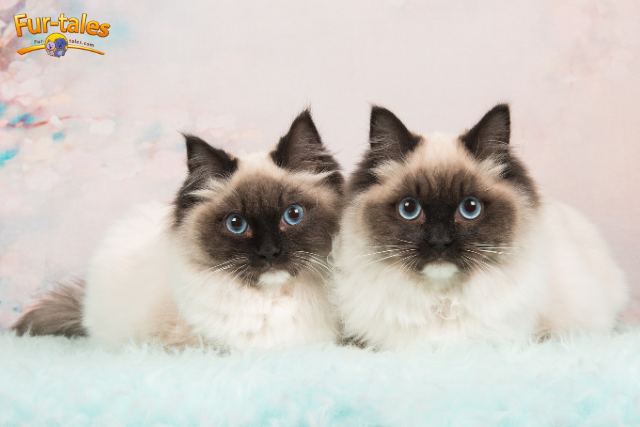
Ragdolls consistently top the charts in the U.S. This cat breed is adored for its affectionate nature, blue eyes, and plush, semi-long fur. Their docile, gentle temperament makes them perfect for families and seniors alike. Ragdolls often go limp when picked up, hence the name, and their easygoing personality adapts well to indoor living.
2. Maine Coon
Known as the “gentle giant,” the Maine Coon is the largest domesticated cat breed. With tufted ears, long shaggy coats, and an intelligent, playful demeanor, Maine Coons are favorites in households that want an interactive and engaging feline companion. Their origins trace back to the Northeastern U.S., contributing to their strong popularity, particularly in colder states.
3. Persian
Persians have long been an icon of feline elegance. Their distinctive flat faces, luxurious coats, and calm disposition make them ideal lap cats. This cat breed thrives in quieter homes where they can be pampered and adored.
4. Bengal
Bengals appeal to those who crave a wild aesthetic in a domesticated pet. With their leopard-like spots and energetic personality, Bengals offer an exotic yet affectionate experience. Active and intelligent, this cat breed is popular among pet owners looking for a challenge and high-level engagement.
5. Sphynx
The hairless Sphynx might be a divisive breed, but it has a loyal following. Its unique appearance, combined with a playful and affectionate temperament, attracts cat lovers who want something unconventional. This cat breed is especially popular in warmer climates like California and Florida where cold-weather sensitivities are less of a concern.
6. British Shorthair
Famous for its dense coat and round face, the British Shorthair is rising in popularity in the U.S., thanks in part to social media exposure. Its calm demeanor, combined with an iconic “teddy bear” look, makes this cat breed ideal for urban living.
Regional Preferences in Cat Breeds Across the U.S.
Interestingly, cat breed popularity can vary significantly by region in the United States. Lifestyle, climate, and even cultural identity influence which breeds flourish in particular states.
West Coast
States like California, Oregon, and Washington lean toward exotic and hypoallergenic breeds such as the Bengal, Sphynx, and Siberian. The active, health-conscious lifestyle of the West Coast complements the dynamic nature of these breeds.
Northeast
In colder regions such as Maine, Vermont, and New York, Maine Coons reign supreme—not only because of their regional origins but also because of their thick coats and hardy disposition suited for cooler climates.
Midwest
The Midwest values family-oriented, easygoing breeds. Ragdolls and British Shorthairs are common due to their friendly nature and adaptability to quieter, family-centric environments.
South
In warmer southern states like Texas and Florida, breeds that can tolerate heat, such as the Sphynx and Siamese, are more prevalent. Their shorter hair or lack of fur reduces the risk of overheating.
Social Media’s Role in Cat Breed Trends
Social media platforms like Instagram, TikTok, and YouTube have been pivotal in shaping cat breed popularity. Cats like Nala (a Siamese-tabby mix) and Loki the Sphynx have amassed millions of followers, prompting spikes in interest for these breeds.
These viral stars not only showcase a cat breed’s looks but also highlight personality traits that help potential owners make informed decisions. Hashtags like #RagdollCat or #BengalCat further increase visibility, creating an ongoing cycle of trend reinforcement.
Health and Longevity: A Deciding Factor
Health concerns associated with certain cat breeds can impact their popularity. For example:
- Persians: Prone to breathing issues due to their flat faces.
- Scottish Folds: Suffer from joint and cartilage problems.
- Bengals: May require specific dietary and environmental conditions to thrive.
Pet owners increasingly research these issues before choosing a breed, contributing to rising demand for robust breeds like the American Shorthair and Ragdoll.
The Impact of Lifestyle Changes
Post-pandemic lifestyle changes have also influenced cat breed popularity. With more Americans working from home, breeds that require companionship and interaction, such as the Siamese and Abyssinian, are more sought after. Additionally, as urban living spaces shrink, smaller, adaptable breeds like the British Shorthair are gaining traction.
Emerging Cat Breeds Gaining Popularity
Newer or lesser-known breeds are starting to catch the public eye, offering unique features and temperaments:
- Lykoi (Werewolf Cat): With a distinctive patchy coat and wild look, this cat breed fascinates those wanting an unusual companion.
- Toyger: Designed to look like a mini tiger, the Toyger is gaining fans for its aesthetic appeal and social personality.
- Khao Manee: An ancient Thai breed known for its all-white coat and odd-colored eyes, prized for its rarity.
These emerging breeds suggest that U.S. pet owners are increasingly open to novel and exotic options.
Ethical Breeding and Adoption Trends
With rising awareness of animal welfare, many Americans are reconsidering how they acquire their pets. Ethical breeding practices, health screenings, and transparency about genetic conditions are becoming priorities. Some enthusiasts prefer to adopt rather than shop, leading to mixed-breed cats becoming household favorites despite specific cat breed trends.
Organizations like the CFA are now emphasizing responsible breeding, and shelters across the country are educating prospective owners about breed-specific needs even when adopting.
What These Trends Say About U.S. Pet Culture
The shifting popularity of various cat breeds reflects broader societal trends:
- Health-consciousness: Preference for breeds with fewer health issues.
- Customization: People want pets that match their lifestyles, homes, and personalities.
- Social media influence: Viral content continues to shape perceptions and desires.
- Cultural identity: Regional climates and social norms affect breed preferences.
All these factors reveal an increasingly thoughtful and educated pet-owning population in the United States.
FAQs About Cat Breed Popularity in the United States
1. What is the most popular cat breed in the U.S.?
The Ragdoll consistently ranks as the most popular cat breed in the United States due to its friendly, laid-back nature and plush appearance.
2. Why are Maine Coons popular in colder regions?
Maine Coons have thick, shaggy fur and a sturdy build, making them well-suited for cold climates, especially in the Northeast U.S.
3. Are hypoallergenic cat breeds truly allergy-free?
No cat breed is 100% hypoallergenic, but breeds like the Siberian, Balinese, and Sphynx produce fewer allergens, making them better options for allergy sufferers.
4. How does social media affect cat breed popularity?
Social media stars featuring specific cat breeds can rapidly boost their desirability. Platforms like Instagram and TikTok create viral trends that influence purchasing decisions.
5. Are mixed-breed cats less desirable than purebred cats?
Not at all. Mixed-breed cats often have fewer genetic health problems and can be just as loving and beautiful as purebred cats.
6. What should I consider before choosing a cat breed?
Consider factors like the cat’s temperament, grooming needs, activity level, health risks, and how well it fits your living space and lifestyle.
7. Which cat breeds are best for families with children?
Breeds like Ragdolls, American Shorthairs, and Maine Coons are typically great with kids due to their friendly and patient nature.
Image Source: Canva

