
The Anatolian Shepherd Dog (Kangal breed): History, Origins, and Unique Traits
The Anatolian Shepherd is one of the most remarkable working dog breeds in the world — a blend of strength, loyalty, and intelligence shaped by centuries of protecting livestock in some of the harshest terrains. While the breed is sometimes referred to as the “Kangal,” there’s a fascinating story behind these names, their origins, and the traits that make them so unique. Whether you’re a history buff, a livestock owner, or simply an admirer of strong, independent dogs, understanding the Anatolian Shepherd means looking deep into its roots and role as a guardian.
A Glimpse into the Breed’s Ancient Past
The story of the Anatolian Shepherd begins thousands of years ago in the Anatolia region of modern-day Turkey. This area, with its vast plains, rugged mountains, and nomadic pastoral culture, was home to shepherds who needed a dependable, fearless guardian to protect their flocks from predators such as wolves, bears, and even humans with less-than-honorable intentions.
Historians believe the breed’s ancestry can be traced back over 6,000 years, likely descending from ancient mastiff-type dogs used by Mesopotamian shepherds. Over time, these dogs were shaped not by show-ring standards but by the demands of survival — only the strongest, most resilient, and most reliable could keep their place. This natural selection created a breed known for endurance, courage, and an instinctive protective nature.
The Kangal Connection: Are They the Same?
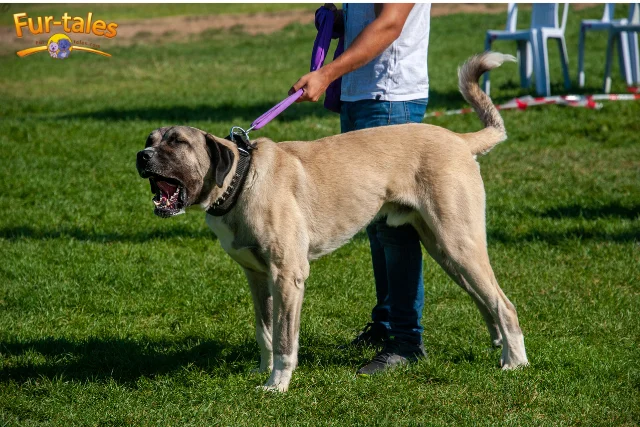
In Turkey, the term “Kangal” refers to a specific strain of the Anatolian Shepherd originating from the Kangal district in the Sivas province. Kangals are considered the national dog of Turkey and are known for their uniform appearance — typically fawn-colored with a black mask.
In the United States and other countries, the term Anatolian Shepherd is often used more broadly to describe livestock guardian dogs imported from Turkey, which may include Kangals as well as other regional variations. Breed purists in Turkey maintain that the Kangal is a distinct breed, while many international kennel clubs group them together under the Anatolian Shepherd classification.
Regardless of the naming debate, both share the same working purpose: safeguarding livestock with unwavering dedication.
Built for the Job: Physical Characteristics
The Anatolian Shepherd is a large, powerful dog — but not in a bulky, lumbering way. Their build reflects their purpose: agility, strength, and endurance over long hours of patrol.
Typical appearance includes:
- Size: Males can weigh 110–150 pounds and stand 29–32 inches tall, while females weigh 80–120 pounds and stand 27–31 inches tall.
- Coat: Short to medium in length, with a dense undercoat for protection in extreme temperatures.
- Colors: Most common is fawn with a black mask, but variations include brindle, white, and pinto.
- Ears: Medium-sized, triangular, and drop-shaped.
- Tail: Curled upward when alert, relaxed when calm.
Their sheer presence alone is often enough to deter would-be predators. But size is just part of the story — their keen senses and quick reaction time make them true masters of the field.
Temperament: Independent but Deeply Loyal
One of the first things new owners notice is the Anatolian Shepherd’s independence. These dogs are bred to make decisions on their own, often patrolling without human direction. This self-reliance is a strength in their traditional role but can be challenging for inexperienced pet owners.
Key temperament traits include:
- Protective Instincts: They are natural guardians, and their watchfulness extends beyond livestock to include family members.
- Calm Demeanor: When not on alert, they tend to be quiet and relaxed, conserving their energy.
- Wary of Strangers: Not aggressive without cause, but slow to warm up to unfamiliar people.
- Gentle with Their “Flock”: Whether sheep, goats, or children, they treat their charges with care.
While they are affectionate with family, they are not typically “clingy” dogs. They form strong bonds but value their independence, much like a seasoned security guard who knows their role and executes it with precision.
Training the Anatolian Shepherd: Respect is Key
Training a Anatolian Shepherd is not about dominance — it’s about earning trust and respect. Because they are intelligent and strong-willed, harsh or forceful methods often backfire. Positive reinforcement, consistency, and early socialization are essential.
These dogs are problem-solvers. If they don’t see the point in a command, they may simply choose not to follow it. For this reason, training works best when commands are tied to real-life situations, like reinforcing boundaries or responding to specific threats.
Owners should also introduce them to a variety of people, environments, and situations early on. This helps ensure their protective instincts don’t turn into over-guarding.
Living with an Anatolian Shepherd in the U.S.
In their homeland, Anatolian Shepherds work vast open fields. In the U.S., they can adapt to rural properties, farms, and ranches with similar needs — but they are not well-suited to apartment living or small yards.
Key considerations for keeping them happy and healthy include:
- Space to Roam: They thrive when given large, securely fenced areas.
- Purposeful Work: Even if you don’t have livestock, they benefit from having a “job,” such as guarding property or accompanying you on hikes.
- Exercise Needs: While not hyperactive, they need daily walks and mental stimulation.
- Weather Adaptability: Their thick coat makes them comfortable in cold climates, but they can adapt to heat with proper shade and water.
Health and Lifespan
The Anatolian Shepherd is a generally healthy breed, with a lifespan of 11–13 years — quite long for such a large dog. However, like all breeds, they are prone to certain conditions:
- Hip dysplasia
- Elbow dysplasia
- Hypothyroidism
- Entropion (a condition affecting the eyelids)
Routine veterinary care, a balanced diet, and maintaining a healthy weight go a long way in preventing health problems.
Why They’re Not for Everyone — But Perfect for the Right Person
Owning an Anatolian Shepherd is a commitment. They require an owner who understands livestock guardian breeds, respects their instincts, and can provide the space and purpose they need. For families or farmers looking for a loyal, dependable protector, they are unmatched. For someone seeking an eager-to-please, highly social pet, they may not be the right choice.
When matched with the right environment, the Anatolian Shepherd thrives — standing as a living testament to thousands of years of partnership between humans and dogs.
FAQs About the Anatolian Shepherd
1. Is the Anatolian Shepherd the same as the Kangal?
Not exactly. The Kangal is considered a specific strain from the Kangal district in Turkey, while the term “Anatolian Shepherd” is used more broadly internationally to describe livestock guardian dogs from the Anatolia region.
2. Are Anatolian Shepherds good family dogs?
They can be excellent family protectors if properly socialized from a young age, but they are not as naturally outgoing with strangers as some breeds.
3. How much exercise do they need?
They need daily activity and mental stimulation, but they’re not as high-energy as herding breeds. Moderate walks and purposeful work keep them happy.
4. Do they get along with other pets?
They can live peacefully with other animals they are raised with, but introductions should be managed carefully. Their guarding instincts may cause them to be territorial.
5. How much grooming do they require?
Their coat is low-maintenance. Weekly brushing is usually enough, though they shed more heavily in spring and fall.
Image Source: Canva
