
Siberian Husky Dog Breed Guide: Traits, Temperament, and Training
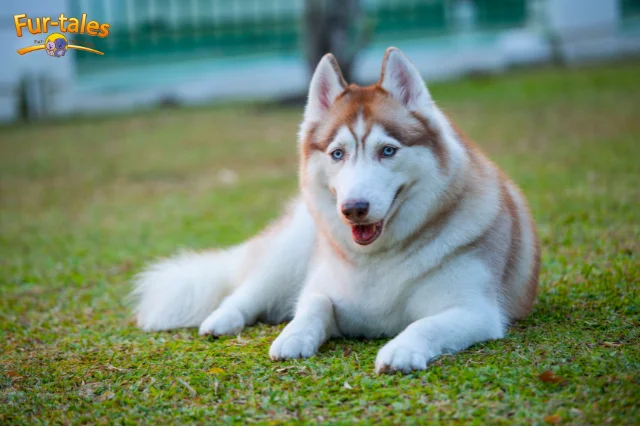
The Siberian Husky is one of the most recognizable and captivating dog breeds in the world. Known for their striking blue or multicolored eyes, thick double coats, and wolf-like appearance, these dogs are as beautiful as they are spirited. But behind that enchanting exterior is a breed with unique traits, a distinct temperament, and specific training needs that every potential or current owner should understand.
Whether you’re considering adding a Siberian Husky to your family or already have one ruling your household, this comprehensive guide will walk you through everything you need to know about this majestic breed—from physical characteristics to temperament, training tips, and care essentials.
A Brief History of the Siberian Husky
The Siberian Husky traces its origins back to northeastern Asia, where the Chukchi people of Siberia bred them for sled-pulling and companionship. These dogs were selected for their stamina, strength, and ability to survive the harsh, icy climate of the region. In the early 20th century, Huskies were brought to Alaska during the gold rush, where they became famous for sled races and heroic deeds, such as the 1925 serum run to Nome.
Their storied past has shaped the breed’s remarkable endurance, intelligence, and social nature.
Physical Traits of the Siberian Husky
If you’ve ever seen a Siberian Husky, you probably noticed their show-stopping looks. But their physical traits are more than just aesthetic; they’re built for survival in freezing climates.
Size and Build
- Height: 20 to 23.5 inches (males), 20 to 22 inches (females)
- Weight: 45 to 60 pounds (males), 35 to 50 pounds (females)
- Build: Medium-sized, well-proportioned, and muscular, designed for endurance rather than brute strength.
Coat and Colors
The Siberian Husky sports a dense double coat that protects them against extreme cold. The undercoat is soft and thick, while the outer coat is straight and medium in length. Common colors include:
- Black and white
- Red and white
- Gray and white
- Pure white
- Agouti and white
Their striking facial masks and captivating eyes—ranging from icy blue to deep brown, and even heterochromia—add to their allure.
Lifespan
With proper care, the average lifespan of a Siberian Husky ranges between 12 to 14 years.
Temperament and Personality
Owning a Siberian Husky is akin to inviting an energetic, intelligent, and sometimes mischievous companion into your life.
Social and Friendly
Huskies are inherently social dogs. Bred to work in packs, they typically get along well with other dogs and can adapt to family life, including households with children. However, early socialization is key to ensuring a well-rounded demeanor.
High Energy and Playful
The Siberian Husky is brimming with energy. They require ample physical activity and mental stimulation to prevent boredom, which can lead to destructive behaviors like digging or escaping.
Independent but Intelligent
While Huskies are smart, their independence can sometimes be mistaken for stubbornness. They often think for themselves, which can make training a challenge for inexperienced owners.
Prey Drive
Given their heritage, many Huskies have a strong prey drive. This means they may not coexist peacefully with smaller pets like rabbits or birds without proper introductions and supervision.
Not Ideal for Guard Duties
Surprisingly, despite their wolf-like appearance, Siberian Huskies are not great guard dogs. They are friendly to strangers and lack the territorial aggression found in other breeds.
Training a Siberian Husky
Training a Siberian Husky requires patience, consistency, and positive reinforcement. Their intelligence can work both for and against you during training sessions.
Start Early
Begin training and socialization early in puppyhood. This sets a solid foundation and helps mitigate undesirable behaviors.
Positive Reinforcement Works Best
Use rewards such as treats, toys, and praise to motivate them. Harsh training methods can backfire, making them even more resistant.
Focus on Recall and Commands
Because Huskies are notorious escape artists, recall training is crucial. Teach basic commands like “come,” “stay,” and “leave it” from a young age.
Mental Stimulation
Engage their minds with puzzle toys, agility training, and scent games. A bored Siberian Husky will quickly find ways to entertain themselves, often at your expense.
Socialization
Expose your Husky to various people, pets, and environments to develop a well-mannered and adaptable dog.
Exercise Needs
The Siberian Husky is not a couch potato. They require at least 1 to 2 hours of vigorous exercise daily to stay happy and healthy. Activities they enjoy include:
- Running
- Hiking
- Sled pulling (even recreationally)
- Agility courses
- Fetch and tug-of-war
Without sufficient exercise, Huskies may become anxious, vocal, or destructive.
Grooming Requirements
Despite their lush double coat, Huskies are relatively low-maintenance in the grooming department.
Shedding
Be prepared for “blowing coat” season, which occurs twice a year when they shed their undercoat profusely. During this time, daily brushing is essential.
Regular Maintenance
- Brushing: 2-3 times a week under normal conditions
- Bathing: Only when necessary, as frequent bathing can strip their natural oils
- Nail Trimming: Monthly
- Ear Cleaning: Regularly check for wax buildup or infection
Diet and Nutrition
A balanced diet is key to maintaining your Siberian Husky’s health and vitality. These dogs have an efficient metabolism, meaning they don’t require as much food as other breeds of similar size.
Nutritional Tips
- High-protein diets support their active lifestyle.
- Omega-3 fatty acids help maintain a healthy coat.
- Fresh water should always be available, especially during exercise.
Consult your veterinarian for tailored dietary recommendations based on your Husky’s age, weight, and activity level.
Health Considerations
Overall, the Siberian Husky is a healthy breed, but they can be prone to certain genetic conditions:
- Hip Dysplasia: A common issue in many medium to large breeds.
- Eye Conditions: Including cataracts, corneal dystrophy, and progressive retinal atrophy.
- Hypothyroidism: A condition that can affect metabolism.
Regular veterinary checkups, a proper diet, and exercise can mitigate many of these concerns.
Living Environment: Is a Husky Right for You?
While the Siberian Husky is adaptable, they thrive in environments where they have space to run and play. Apartment living is possible but challenging unless you’re committed to meeting their high exercise needs.
Additionally, Huskies are sensitive to heat due to their thick coat. In hot climates, it’s crucial to provide shade, air conditioning, and limit exercise during peak temperatures.
Fun Facts About the Siberian Husky
- The famous Serum Run to Nome in 1925 showcased the breed’s endurance and bravery, with Huskies delivering life-saving medicine.
- They rarely bark but are known for “talking” or howling.
- The Siberian Husky is featured in various movies and TV shows due to their stunning looks and expressive nature.
Common Mistakes New Husky Owners Make
- Underestimating Their Energy: Many first-time owners are not prepared for the high energy levels of a Siberian Husky.
- Lack of Secure Fencing: Huskies are escape artists; they can dig under or jump over fences.
- Insufficient Mental Stimulation: A bored Husky is often a destructive one.
- Skipping Socialization: Without early exposure, they may become overly shy or overly assertive.
FAQs About Siberian Huskies
Are Siberian Huskies good for first-time dog owners?
Not usually. Their energy, independence, and training needs can be overwhelming for first-time dog owners unless they are fully prepared.
Can a Siberian Husky live in warm climates?
Yes, but with caution. Limit outdoor activity during the heat, provide plenty of water, and ensure they have a cool place to rest.
Do Siberian Huskies get along with cats?
It depends on the individual dog and the cat’s temperament. Due to their prey drive, early introductions and supervision are necessary.
Are Siberian Huskies vocal?
Yes, they are famous for “talking,” howling, and expressing themselves through various sounds, though they rarely bark.
How often should I exercise my Siberian Husky?
Aim for 1 to 2 hours of vigorous exercise daily, including walks, runs, or interactive play.
Is crate training effective for Siberian Huskies?
Crate training can work well if introduced positively, providing them with a safe space and helping manage destructive behaviors.
Image Source: Canva
