
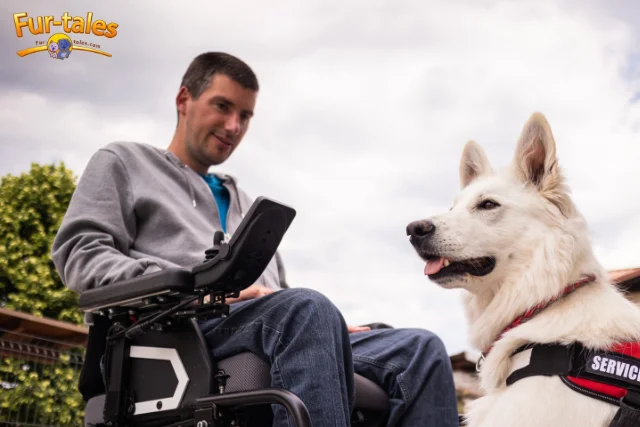
Service Dogs vs Emotional Support Animals: Legal Rights & Differences
For many people in the United States, animals are more than just pets. They can provide comfort, companionship, and in some cases, life-saving assistance. But when it comes to Service Dogs and Emotional Support Animals (ESAs), the terms are often used interchangeably—something that leads to confusion about rights, responsibilities, and legal protections. Understanding the distinctions is essential whether you’re a pet owner, a landlord, or simply curious about how these roles differ.
This article explores the key differences between Service Dogs and Emotional Support Animals, their legal protections, how they’re trained, and what rights their handlers have.
What Are Service Dogs?
Service Dogs are working animals trained to perform specific tasks directly related to a person’s disability. These dogs aren’t pets—they’re essential partners that allow people with physical, psychiatric, sensory, or intellectual disabilities to live more independently.
Examples of tasks a Service Dog may perform include:
- Guiding a person who is blind.
- Alerting someone with diabetes to blood sugar changes.
- Interrupting harmful behaviors for someone with PTSD.
- Providing mobility support, such as retrieving dropped items or pulling a wheelchair.
The Americans with Disabilities Act (ADA) defines Service Dogs as individually trained animals that perform tasks for a person with a disability. Because of this, they receive strong federal protection that allows them access to public spaces where pets are typically not allowed.
What Are Emotional Support Animals?
Emotional Support Animals are different. ESAs provide comfort and emotional stability simply by being present. They do not need specialized training to perform specific disability-related tasks. Instead, their value lies in their companionship, which can reduce symptoms of anxiety, depression, PTSD, and other mental health conditions.
To qualify as an ESA, a licensed mental health professional must write a letter stating that the person benefits from the animal’s presence for their mental or emotional well-being. Unlike Service Dogs, ESAs can be any animal species, not just dogs. Cats, rabbits, and even miniature horses may serve as ESAs.
Key Legal Differences
One of the most important distinctions between Service Dogs and ESAs lies in the laws that protect them.
Service Dogs and the ADA
Under the ADA:
- Service Dogs are allowed in almost all public places, including restaurants, hotels, schools, and stores.
- Staff may only ask two questions: (1) Is the dog a service animal required because of a disability? (2) What work or task has the dog been trained to perform?
- No documentation, certification, or vest is required by law.
Emotional Support Animals and Housing Laws
ESAs are not covered under the ADA but are protected under the Fair Housing Act (FHA). This means landlords must provide reasonable accommodation for tenants with ESAs, even in pet-restricted housing. Landlords cannot charge pet deposits or fees for ESAs.
However, ESAs do not have the same access rights to public spaces. They are not permitted in restaurants, stores, or other businesses that prohibit pets.
Travel Regulations
Air travel used to be a gray area for ESAs, but recent changes have clarified things:
- Service Dogs are allowed to fly with their handlers at no extra cost.
- ESAs are no longer guaranteed free travel under the Air Carrier Access Act. Airlines may treat them as regular pets, meaning fees and restrictions apply.
Training Differences
Training is where the biggest gap exists between Service Dogs and ESAs.
- Service Dogs undergo extensive training, sometimes for years, to reliably perform tasks that mitigate their handler’s disability. Many organizations breed and train Service Dogs specifically for this purpose, but individuals may also train their own Service Dogs.
- ESAs do not require specialized training. Their role is to offer emotional comfort by simply being present.
Because Service Dogs are rigorously trained, they must remain calm, obedient, and well-behaved in public. ESAs, without training requirements, may not always meet these standards, which is why their access rights are limited.
Responsibilities of Owners
Having either a Service Dog or an ESA comes with responsibilities.
For Service Dog handlers:
- Dogs must remain under control at all times (on leash unless it interferes with their tasks).
- Handlers are responsible for the dog’s behavior. If a dog is disruptive or aggressive, a business can legally ask the handler to remove it.
For ESA owners:
- While ESAs may live in pet-restricted housing, owners must still ensure their animals don’t cause property damage or disturbances.
- Fake ESA letters purchased online without proper evaluation are not legally valid. Landlords may deny these.
Why the Confusion?
Part of the confusion comes from misuse of the terms and fake certifications sold online. Some pet owners try to pass off pets as Service Dogs or ESAs to avoid airline fees or housing restrictions. This not only undermines legitimate Service Dog and ESA owners but also creates backlash against people who truly need these animals.
How to Tell Them Apart
Here’s a quick breakdown:
- Service Dogs – Trained, perform specific tasks, protected by ADA, full public access.
- ESAs – Provide comfort, no special training, protected by FHA (housing only), no general public access.
Understanding this difference helps reduce stigma and ensures laws are respected.
FAQs
Q: Can my landlord deny my Service Dog or ESA?
A: Landlords must accept Service Dogs and ESAs if proper documentation is provided, unless the animal poses a direct threat or causes undue hardship.
Q: Can businesses refuse entry to Service Dogs?
A: No, under the ADA, businesses must allow Service Dogs. They may only ask about the tasks the dog performs—not for paperwork.
Q: Do Service Dogs have to wear vests?
A: No. While many wear vests for identification, the ADA does not require it.
Q: Can an ESA go into restaurants or stores?
A: No. ESAs do not have public access rights like Service Dogs. They are only protected in housing under the FHA.
Q: Are Service Dogs only dogs?
A: Yes, under the ADA, only dogs and in some cases miniature horses can be Service Animals.
Q: How can I get an ESA letter?
A: Only a licensed mental health professional can issue a valid ESA letter after evaluation. Online “instant letters” without a consultation are not legally recognized.
Image Source: Canva
