
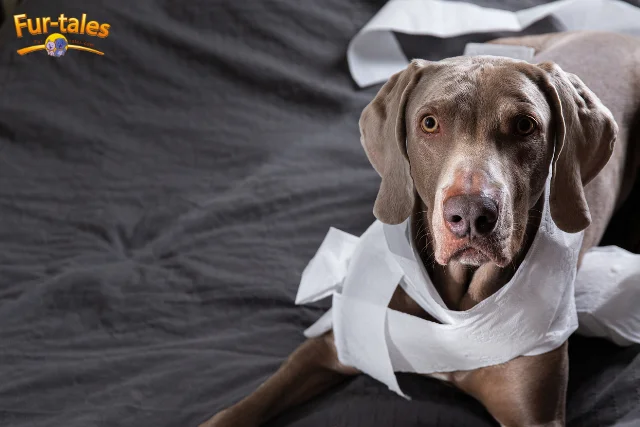
Guilty Dogs: How Your Dog Might Be Apologizing Without Words
If you’ve ever caught your dog in the act—chewing your favorite shoes, tipping over the trash can, or leaving an unexpected mess—you might have noticed a familiar reaction. The droopy ears, tucked tail, side-eye glances, and slouched posture—it’s the classic “guilty dog” look that many pet owners know well. But what if we told you that what we interpret as doggy guilt is actually more complex than just feeling bad for misbehaving?
In this article, we’ll explore the fascinating world of guilty dogs, how dogs communicate feelings that seem like guilt, and what these behaviors actually mean. We’ll also uncover how your dog might be trying to “apologize” to you—without uttering a single word.
The Myth of Guilt in Dogs
Many pet owners firmly believe that their dog feels guilty after doing something wrong. However, researchers suggest that what we perceive as guilt may not be the same emotional experience for dogs as it is for humans.
Studies in animal behavior show that dogs are extremely adept at reading human reactions. The so-called “guilty look” is more of a submissive or appeasement behavior rather than an actual admission of wrongdoing. When your voice is stern, your body language tense, or your expression angry, your dog responds with body cues designed to de-escalate your displeasure.
Scientific Perspective on Guilty Dogs
One of the most cited studies on this topic was conducted by Alexandra Horowitz at Barnard College. Her research found that dogs often display “guilty” behaviors even when they haven’t actually committed the transgression. Instead, the behaviors were more closely related to the owner’s scolding or angry demeanor.
This means that guilty dogs are reacting to your emotional state rather than reflecting on their own actions. It’s not that your dog is confessing, “Yes, I chewed your socks,” but rather, “I can tell you’re upset, and I want to make peace.”
What Does a Guilty Dog Look Like?
Despite the scientific insights, we can’t ignore that dogs do communicate in remarkably expressive ways. These are some common signs that pet owners interpret as signs of guilt:
- Avoiding Eye Contact: A dog might glance sideways or avoid direct eye contact altogether.
- Tucked Tail: This is a universal sign of submission or fear.
- Ears Pinned Back: Droopy or pinned ears indicate unease or submissiveness.
- Cowering or Slouched Posture: A lowered body posture shows that the dog feels uncomfortable.
- Licking Lips or Yawning: These can be stress signals.
- Paw Lifting or Tentative Approaches: Your dog might lift a paw or approach you slowly as if testing the waters.
These behaviors form what many call the guilty dogs look, but what they’re really doing is attempting to communicate peaceful intentions and submission in the face of your displeasure.
How Dogs Apologize Without Words
Even if dogs don’t experience guilt in the human sense, they certainly have ways to repair social bonds when they’ve upset their human companions.
1. Submissive Gestures
Dogs rely heavily on body language to convey appeasement. Tucking their tail, bowing slightly, and showing a “soft” body posture are all ways they say, “I don’t want any trouble.”
2. Seeking Physical Contact
Many dogs will nuzzle, lick, or rest their head on your lap after they’ve done something wrong (or after you’ve discovered it). This physical contact is a form of reconnection and reassurance.
3. Licking and Grooming
Licking is both a stress-reliever for dogs and a gesture of affection. If your dog starts licking your hands, face, or even feet after a mishap, they might be offering an olive branch in their own way.
4. Playful Behavior
Sometimes, dogs might initiate play as a form of apology. A play bow (front legs stretched forward with the back end up) can signal a desire to lighten the mood and make peace.
5. Staying Close
A “guilty” dog might shadow your every move after being caught. This clingy behavior is their way of re-establishing closeness and seeking reassurance that everything is okay.
Why Understanding the Difference Matters
Interpreting these behaviors correctly can help strengthen your relationship with your dog. Scolding a dog long after the incident has occurred doesn’t teach them not to repeat the behavior. Instead, it fosters confusion and stress, as dogs associate punishment with the present moment rather than the act itself.
Understanding that guilty dogs are responding to your cues rather than reflecting on their mistakes can help you handle situations with more empathy. Instead of punishment, redirection, positive reinforcement, and consistency are far more effective training tools.
Training Tips to Prevent “Guilty Dog” Moments
- Timing is Everything
Correct undesirable behavior as it happens. Dogs live in the moment and cannot connect past actions to current consequences. - Positive Reinforcement
Reward your dog when they exhibit desired behaviors. This creates positive associations that encourage good habits. - Create a Safe Environment
Prevent opportunities for trouble by dog-proofing your home. Put away shoes, secure trash cans, and provide engaging toys. - Regular Exercise and Mental Stimulation
A bored dog is more likely to engage in mischief. Ensure your dog gets plenty of physical activity and mental challenges through games and training. - Consistency in Rules
Be consistent with rules and commands. If one day it’s okay to be on the couch and the next it’s not, your dog will get confused, leading to more “guilty dogs” scenarios.
The Role of Empathy in Dog Ownership
Recognizing that dogs don’t process guilt like humans shifts how we respond to their actions. It fosters a more compassionate approach to discipline and behavior correction. Instead of viewing your dog as naughty or deceitful, see them as trying to navigate your expectations the best way they know how.
By fostering empathy, patience, and clear communication, you not only reduce the number of “guilty dog” incidents but also strengthen the bond between you and your pet.
FAQs About Guilty Dogs
Q1: Do dogs really feel guilty after doing something wrong?
While dogs display behaviors that look like guilt, most experts agree that it’s more about reacting to your emotional cues rather than feeling guilt as humans understand it. They aim to appease and de-escalate tension.
Q2: Why does my dog avoid me after they misbehave?
Avoidance can be a stress response. If your tone or body language signals anger, your dog might distance themselves as a way to avoid confrontation.
Q3: Can I teach my dog not to do things that make them look guilty?
Yes! Training with positive reinforcement, setting clear boundaries, and correcting behaviors in the moment are effective. Consistency is key to long-term behavior change.
Q4: What should I do when my dog looks guilty?
Instead of scolding, assess the situation. If you didn’t catch them in the act, discipline won’t be effective. Redirect their attention to acceptable behaviors and reward them for compliance.
Q5: How can I strengthen the bond with my dog after an incident?
Offer reassurance through calm interaction, physical affection, and play. Ensuring that your dog feels secure and loved helps maintain a strong bond even after a mishap.
Image Source: Canva
