
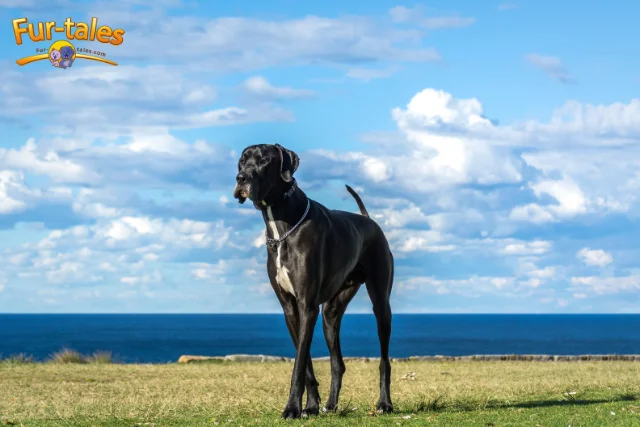
Great Dane vs. Mastiff: Gentle Giants Compared
If you’re drawn to dogs that are massive, majestic, and full of heart, you’ve likely considered either a Great Dane or a Mastiff. Known as “gentle giants,” both breeds turn heads with their imposing size, but it’s their kind souls and devoted nature that truly win hearts.
Still, despite their similarities, Great Danes and Mastiffs are far from interchangeable. From energy levels and grooming needs to health concerns and living space, there’s a lot to consider when choosing between these two giants. This in-depth comparison breaks down everything you need to know to help you make the best decision for your home, lifestyle, and heart.
1. Origins and History
Great Dane
The Great Dane originated in Germany, where they were bred as boar hunters and estate guardians. Despite the name, they’re not Danish at all. Over time, they were refined into more of a companion dog—elegant, muscular, and incredibly affectionate. Today’s Great Danes are known for their gentle personalities, despite their towering size.
Mastiff
The Mastiff, or more accurately the English Mastiff, has roots going back to ancient civilizations like Babylon and Egypt. In the U.K., they were once used in war and for guarding estates. Modern Mastiffs retain their protective instincts but are incredibly mellow and loyal with their families.
Quick Takeaway:
Great Danes were bred for agility and hunting; Mastiffs for guarding and brute strength. Both are loyal, but their historical roles influence their modern temperaments.
2. Size and Appearance
| Feature | Great Dane | Mastiff |
|---|---|---|
| Height | 28–34 inches (some over 36”) | 27–32 inches |
| Weight | 110–175 pounds | 120–230 pounds (sometimes more) |
| Build | Lean, long-legged, athletic | Broad, heavy, muscular |
| Face | Long snout, floppy ears | Wrinkled face, short snout |
| Coat | Short and smooth | Short, dense double coat |
Fun Fact:
The tallest dog on record, Zeus, was a Great Dane measuring 44 inches at the shoulder!
3. Temperament and Personality
Great Dane
Great Danes are playful, friendly, and surprisingly goofy. They often think they’re lap dogs and love being close to their humans. They’re gentle with kids and tend to be social with strangers.
Pros:
- Affectionate and loyal
- Playful and good with kids
- Generally sociable
Cons:
- Prone to separation anxiety
- May be overly bouncy without proper training
Mastiff
Mastiffs are calm, dignified, and reserved. They form deep bonds with their family but are more suspicious of strangers. They’re protective without being aggressive and prefer lounging over romping.
Pros:
- Extremely loyal
- Protective yet gentle
- Calm indoors
Cons:
- Stubborn during training
- Can be territorial with other dogs
Verdict:
Choose a Great Dane if you want an outgoing goofball. Choose a Mastiff if you prefer a calm, watchful protector.
4. Training and Socialization
Both breeds benefit from early training and socialization, but their learning styles differ.
- Great Danes are intelligent and eager to please but can be easily distracted. They do well in positive-reinforcement environments.
- Mastiffs are smart but stubborn. They need patient, consistent leadership. Harsh methods can cause shutdowns or fearfulness.
Tip: Because of their size, leash training is critical—you do not want a 150+ pound dog dragging you down the street.
5. Exercise Needs
Great Dane
Despite their size, Great Danes don’t require extreme exercise. However, they are more energetic than Mastiffs and enjoy daily walks and occasional play sessions.
- Ideal: 30–60 minutes of activity per day
- Avoid: Excessive running in puppies to protect joints
Mastiff
Mastiffs are more sedentary and can be content with short walks and lounging indoors.
- Ideal: 20–30 minutes of gentle walking per day
- Avoid: Long-distance runs, especially in heat
Note: Both breeds are prone to joint problems, so don’t overdo it—especially during growth stages.
6. Living Space and Adaptability
Both the Great Dane and Mastiff can adapt to various living environments, but size is a factor.
- Great Danes are surprisingly suitable for apartments—if they get regular exercise. They crave closeness and often shadow their owners around the home.
- Mastiffs need space to stretch but are low-energy and quiet, making them decent indoor companions if you have the square footage.
Important: Stairs can be hard on both breeds’ joints. A single-level home is ideal.
7. Grooming and Maintenance
| Grooming Task | Great Dane | Mastiff |
|---|---|---|
| Shedding | Moderate | Moderate to high |
| Drooling | Minimal to moderate | High |
| Bathing | Every 6–8 weeks | Every 4–6 weeks |
| Nail Trimming | Every 2–3 weeks | Every 2–3 weeks |
| Ear Cleaning | Weekly | Weekly |
Note: If you’re squeamish about drool, the Great Dane is a better match. Mastiffs can sling slobber far and wide!
8. Health Issues and Lifespan
Sadly, giant breeds often have shorter lifespans and unique health challenges.
| Health Factor | Great Dane | Mastiff |
|---|---|---|
| Lifespan | 7–10 years | 6–10 years |
| Common Issues | Bloat, hip dysplasia, cardiomyopathy | Hip/elbow dysplasia, bloat, cancer |
| Vet Costs (avg/yr) | $1,200–$2,000+ | $1,500–$2,500+ |
Tip: Invest in pet insurance early. Preventative care and emergency coverage can save thousands.
9. Diet and Feeding
Both breeds consume a significant amount of food, but they also require special diets to support bone and joint health.
- Great Danes: 6–10 cups of high-quality giant-breed dog food per day
- Mastiffs: 7–12 cups, depending on weight and activity level
Choose formulas with:
- Glucosamine & chondroitin
- Controlled calcium/phosphorus for puppies
- No artificial fillers
Free feeding is discouraged. Both breeds are at risk for bloat, a potentially fatal condition. Feed two to three small meals a day and avoid exercise immediately after eating.
10. Cost of Ownership
Let’s be honest—giant breeds come with giant expenses. Expect higher-than-average costs for:
- Food
- Vet care
- Medications (based on weight)
- Larger beds, crates, and accessories
| Initial Costs (puppy) | Great Dane | Mastiff |
|---|---|---|
| Purchase Price | $1,500–$3,000 | $1,500–$3,500 |
| First-Year Expenses | $2,500+ | $3,000+ |
| Annual Costs Afterward | $1,800–$2,500 | $2,000–$3,000 |
Note: Mastiffs may cost slightly more due to higher food intake and larger preventive medication doses.
Frequently Asked Questions (FAQs)
Q1: Are Great Danes or Mastiffs better with kids?
Both breeds are known for being gentle with children. Great Danes are more playful, while Mastiffs are calm and protective. Supervision is essential due to their size.
Q2: Which breed drools more?
Mastiffs definitely win (or lose) in the drooling department. Great Danes can drool, especially after drinking, but it’s far less than most Mastiffs.
Q3: Are they good with other pets?
Great Danes are typically more social with other dogs. Mastiffs may be more territorial but can coexist with other animals if socialized early.
Q4: How long can I leave them alone?
Neither breed likes to be left alone for long periods. Great Danes can suffer from separation anxiety, and Mastiffs may become destructive if bored. Plan for regular companionship or a pet sitter.
Q5: Which breed lives longer?
On average, Great Danes live slightly longer (7–10 years) than Mastiffs (6–10 years), though genetics and care play a big role.
Image Source: Canva
