
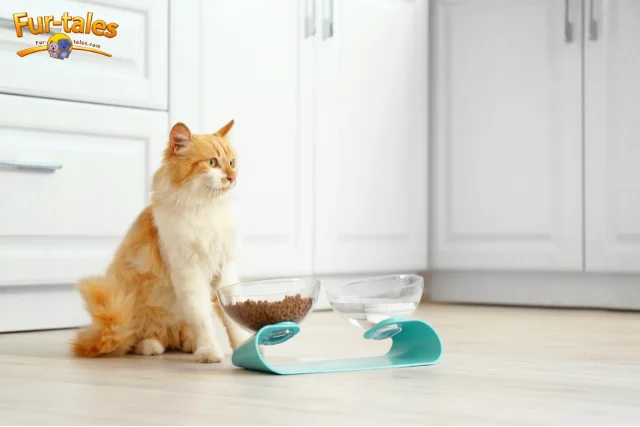
Cat Health: The Advantages of Raised Cat Bowls
As cat owners, we constantly search for ways to improve our feline friends’ health and comfort. One trend gaining popularity among pet parents is the use of raised cat bowls. Unlike traditional bowls that sit flat on the ground, these elevated feeders lift the food and water dishes to a higher level, closer to your cat’s chest or head height. While this may seem like a small change, it can have a surprisingly big impact on your cat’s health and daily comfort. In this article, we’ll explore why elevated feeding is becoming a staple in many households, the health benefits associated with it, and how to choose the best raised bowl for your cat.
Why Raised Cat Bowls Are Gaining Popularity
Pet products evolve as we learn more about animal behavior and physiology. Raised cat bowls are a perfect example of this shift. Traditionally, cats ate from ground-level dishes, mimicking the natural position of hunting and eating prey in the wild. However, domestic life introduces factors—like joint issues, digestive challenges, and the convenience of keeping feeding areas clean—that make elevation beneficial. As more veterinarians and pet behaviorists highlight the advantages, cat parents are realizing that something as simple as changing a bowl’s height can make mealtime healthier and more enjoyable.
Health Benefits of Raised Cat Bowls
1. Improved Digestion
One of the most significant advantages of raised cat bowls is better digestion. When cats eat from ground-level dishes, they often crouch in a position that compresses their stomachs and esophagus. This can slow down the passage of food, making regurgitation or vomiting more likely—especially in cats prone to gastrointestinal issues or fast eating. Elevated bowls encourage a more natural neck and spine alignment, allowing food to travel smoothly down the digestive tract. This simple adjustment can reduce post-meal discomfort and make digestion easier.
2. Reduced Neck and Joint Strain
Older cats or those with arthritis can struggle to bend down repeatedly to eat or drink. Over time, this strain can lead to discomfort, decreased appetite, and reluctance to visit their food bowl. By raising the dishes to a more comfortable level, you minimize bending and make mealtime less stressful on joints. Even young, healthy cats benefit, as proper posture during feeding supports long-term musculoskeletal health.
3. Cleaner Eating Area
Elevated feeding stations help contain food and water mess. Because bowls are off the ground, they’re less likely to collect dust, hair, or debris. Spilled water or kibble also tends to stay within the feeder’s stand, making cleanup easier for owners. For multi-pet households, raised cat bowls can deter dogs from stealing food since it’s positioned differently and less accessible.
4. Better Hygiene and Reduced Insect Access
Placing bowls higher reduces contact with the floor, minimizing exposure to bacteria or mold that can develop in damp areas. In homes prone to ants or crawling insects, raised bowls add a barrier, keeping food safer and fresher for longer.
5. Helpful for Cats with Medical Conditions
Cats with certain medical conditions—like megaesophagus (where food struggles to pass to the stomach) or arthritis—may benefit significantly from elevated bowls. Veterinary professionals often recommend raised feeding to make swallowing easier and to encourage consistent eating in cats with mobility challenges.
Do Raised Cat Bowls Prevent Vomiting?
Many cat parents switch to raised feeders hoping to curb frequent vomiting. While elevated bowls can help reduce regurgitation caused by posture, they are not a cure-all. If your cat vomits often, consult your veterinarian to rule out underlying conditions like food allergies, hairballs, or gastrointestinal disease. However, pairing a raised bowl with slow-feeder designs can significantly improve the eating experience for cats that gobble their food too quickly.
Are There Any Downsides?
For most cats, raised bowls pose no risks. However, kittens or very small cats might initially struggle to adjust, especially if the elevation is too high. Also, if your cat enjoys batting food out of the bowl or tipping dishes, ensure the stand is sturdy and weighted. Choosing the correct height and style is essential to avoid frustration.
Choosing the Best Raised Cat Bowl
Height
The ideal height depends on your cat’s size. A good rule of thumb is to choose a bowl that positions food at or slightly below chest level. For average adult cats, this is usually 3–5 inches off the ground. Adjustable stands are available if you have multiple cats of different sizes.
Material
Opt for safe, non-toxic materials like stainless steel, ceramic, or BPA-free plastic. Stainless steel is hygienic and easy to clean, while ceramic offers a heavier, tip-resistant design. Avoid cheap plastics that can harbor bacteria and cause chin acne in some cats.
Design and Stability
Look for a sturdy stand that won’t tip over easily. Non-slip bases are excellent for preventing sliding on hard floors. Some raised feeders come with integrated mats to catch spills, keeping feeding areas tidy.
Single vs. Double Bowls
Decide whether you want separate bowls for food and water or an all-in-one feeder. Double-bowl designs are space-saving but may not suit cats that prefer their water source far from food. Many behaviorists recommend separate placements to encourage hydration.
Easy Cleaning
Removable bowls that are dishwasher-safe simplify daily cleaning. Hygiene is crucial for preventing bacterial growth and maintaining your cat’s health.
How to Transition Your Cat to Raised Bowls
Cats are creatures of habit, so a sudden change in feeding setup can cause confusion. Introduce the new bowls gradually:
- Place the raised bowl next to the old one for a few days, allowing your cat to explore.
- Offer treats or wet food in the raised dish to create positive associations.
- Once your cat is comfortable, remove the old bowl entirely.
Patience is key—most cats adjust within a week.
Raised Cat Bowls vs. Automatic Feeders
Automatic feeders are convenient for portion control and timed meals, but many models still sit low to the ground. If you prefer automation and elevation, look for raised automatic feeders or place them on a stable stand. This combines convenience with health benefits.
Are Raised Bowls Worth It for Multi-Cat Households?
Yes, especially if you have cats of different ages or health conditions. Senior cats benefit from elevation, while younger cats adapt easily. In multi-pet homes with dogs, raised cat feeders can also keep canine companions out of feline food.
Tips for Keeping Your Raised Bowls Clean
- Wash bowls daily to prevent bacteria buildup.
- Wipe down stands weekly.
- Check for cracks or chips in ceramic bowls.
- Replace worn or scratched bowls that may harbor germs.
FAQs About Raised Cat Bowls
Are raised cat bowls good for kittens?
They can be, but choose lower heights (2–3 inches) suitable for small bodies. As kittens grow, you may need to upgrade to taller bowls.
Do veterinarians recommend raised bowls?
Many vets suggest them for older cats, those with arthritis, or cats prone to regurgitation. However, every cat is different, so consult your vet for personalized advice.
Can raised bowls help with hairballs?
Indirectly, yes. By improving digestion and posture, they may reduce regurgitation but won’t prevent hairballs caused by grooming.
Are ceramic or stainless steel bowls better?
Both are excellent options. Stainless steel is lightweight and easy to sanitize, while ceramic is heavier and less likely to tip.
How often should I replace my cat’s bowls?
Replace them if they become cracked, scratched, or difficult to clean. Stainless steel bowls typically last longer than plastic or ceramic.
Image Source: Canva
