
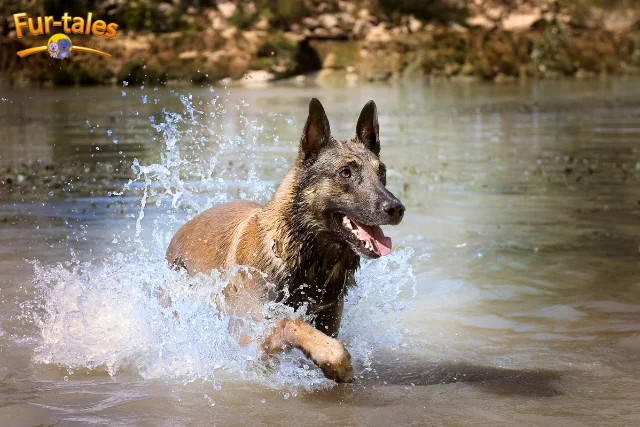
Belgian Shepherd Dog Breed Guide: Temperament, Care, and Training
When it comes to versatile working dogs with intelligence and elegance, the Belgian Shepherd stands out as one of the most remarkable breeds in the canine world. Known for their agility, loyalty, and keen protective instincts, these dogs are often seen excelling in roles such as police work, herding, search and rescue, and as loyal companions at home. If you’re considering bringing one of these stunning dogs into your family, it’s important to understand their temperament, care needs, and training requirements.
Origins and History of the Belgian Shepherd
The Belgian Shepherd breed originates from Belgium in the late 19th century. Bred primarily as herding dogs, they were valued for their ability to handle livestock with intelligence and precision. Over time, their natural agility and intelligence led them into new roles including police work, military service, and search-and-rescue operations. Today, they are admired not only for their working capabilities but also as loyal and protective family pets.
The breed actually comes in four recognized varieties, each with slight differences in coat and appearance:
- Groenendael: Long, black coat, elegant and striking.
- Tervuren: Long coat, usually fawn to mahogany with a black overlay.
- Malinois: Short coat, fawn to mahogany with a black mask; the most commonly used in police and military roles.
- Laekenois: Rough, wiry coat, fawn with traces of black.
While their appearance varies, their temperament and high working drive are consistent across all types.
Temperament of the Belgian Shepherd
The Belgian Shepherd is best known for its intelligence, loyalty, and boundless energy. They are alert, confident, and deeply protective of their family. This makes them excellent watchdogs, but it also means they need careful socialization to avoid overprotective or anxious behaviors.
These dogs are incredibly people-oriented. They thrive on companionship and do not do well if left alone for long periods. A bored or lonely Belgian Shepherd can quickly develop destructive behaviors. With proper stimulation and attention, however, they make affectionate and devoted companions.
In terms of personality traits:
- Protective: Naturally suspicious of strangers, but not aggressive if well-trained.
- Energetic: They require consistent exercise and mental challenges.
- Affectionate: They bond closely with their families, often choosing a favorite person.
- Intelligent: Quick to learn and eager to please, they respond well to positive reinforcement training.
Families with children often find Belgian Shepherds to be gentle and playful, though their herding instincts may lead them to try to “round up” kids or other pets.
Care Requirements for the Belgian Shepherd
Taking care of a Belgian Shepherd is rewarding, but it does require commitment. These are not low-maintenance dogs, and their high energy levels mean they are best suited to active households.
Exercise Needs
Belgian Shepherds need at least 1–2 hours of vigorous exercise every day. Walks alone are not enough. They thrive on activities such as running, agility training, fetch, or herding games. Mental stimulation is just as important as physical exercise, so puzzle toys, training sessions, and interactive play are highly recommended.
Grooming
Grooming depends on the variety of Belgian Shepherd you own:
- Groenendael and Tervuren: Require regular brushing several times a week to prevent tangles and matting.
- Malinois: Low-maintenance short coat, requiring only occasional brushing.
- Laekenois: Needs hand-stripping or trimming every few months due to their wiry coat.
All Belgian Shepherds shed, especially during seasonal changes, so expect to vacuum regularly.
Diet and Nutrition
As highly active dogs, Belgian Shepherds need a nutrient-rich diet. High-quality kibble with a balance of protein, fat, and carbohydrates is essential. Many owners opt for diets with real meat as the primary ingredient. The exact amount of food depends on age, size, and activity level, but generally, an adult Belgian Shepherd will require 2–3 cups of premium dry food per day, divided into two meals.
Health Considerations
The breed is generally healthy, but like all purebred dogs, there are some health issues to watch for:
- Hip and elbow dysplasia
- Progressive retinal atrophy (PRA)
- Epilepsy
- Skin allergies
Routine vet visits, regular exercise, and a balanced diet go a long way in keeping them healthy.
Training Your Belgian Shepherd
Training is one of the most important aspects of owning a Belgian Shepherd. Their intelligence and eagerness to please make them fast learners, but their high energy and protective instincts mean they need consistent guidance.
Early Socialization
Expose your Belgian Shepherd to different people, places, sounds, and experiences from a young age. This helps them develop confidence and reduces the likelihood of fearful or aggressive behaviors.
Positive Reinforcement
These dogs respond best to reward-based training. Use treats, praise, and play as motivators. Harsh corrections can backfire, as Belgian Shepherds are sensitive and may become anxious with negative training methods.
Advanced Training
Because of their intelligence, Belgian Shepherds excel in advanced training such as obedience competitions, agility, herding trials, and even scent detection. Many owners also engage them in dog sports, which provide both physical and mental challenges.
Guarding and Protection Instincts
While their protective instincts are natural, it’s important not to encourage aggressive guarding. Instead, channel that instinct into controlled protection training if needed, preferably with professional guidance.
Is a Belgian Shepherd Right for You?
This breed is not for everyone. Belgian Shepherds require a lot of time, attention, and commitment. They are ideal for:
- Active individuals or families who enjoy outdoor activities.
- Owners with experience handling intelligent, high-energy breeds.
- People who can dedicate time to daily training and socialization.
They are less suited for:
- First-time dog owners with little training experience.
- People with sedentary lifestyles.
- Households where the dog will be left alone for long periods.
When matched with the right family, however, a Belgian Shepherd can be a loving, loyal, and remarkable companion.
FAQs About Belgian Shepherds
1. Are Belgian Shepherds aggressive?
No, they are not inherently aggressive. With proper training and socialization, they are protective but gentle with their families.
2. Do Belgian Shepherds get along with other pets?
Yes, but early introductions and supervision are key. Their herding instincts may cause them to chase or control smaller animals.
3. Are Belgian Shepherds good for first-time owners?
Generally, no. They are best for experienced owners who can handle their energy and training needs.
4. How long do Belgian Shepherds live?
They typically live between 12–14 years with good care.
5. Can Belgian Shepherds be apartment dogs?
Only if the owner is extremely dedicated to exercise and mental stimulation. They thrive best in homes with yards or access to outdoor space.
6. Which Belgian Shepherd variety is best as a family pet?
All can be wonderful, but the Groenendael and Tervuren are often favored for families due to their affectionate temperaments.
Image Source: Canva
