
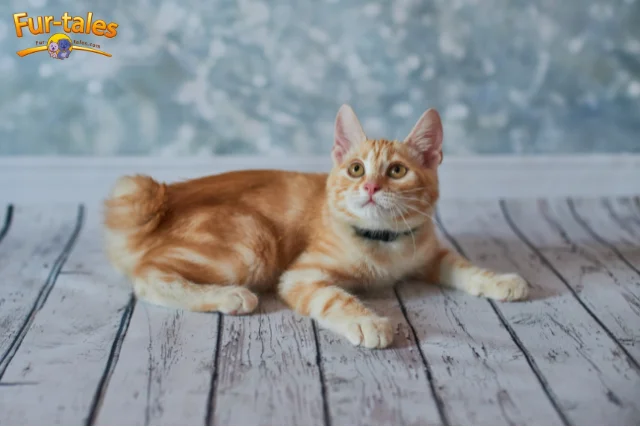
American Bobtail Cat Behavior Explained: Are They Really Dog-Like?
When people imagine cats, they often think of independent creatures who enjoy their alone time, gracefully wandering through the house, and occasionally curling up on their terms. But the American Bobtail is no ordinary feline. Known for their wild look, expressive eyes, and short “bobbed” tail, this breed is as much about personality as appearance. Pet lovers often ask: is the Bobtail Cat really dog-like in behavior? Let’s explore what makes this breed so special and why it’s often described as the “Golden Retriever of the cat world.”
A Brief Look at the American Bobtail’s Origins
Unlike ancient cat breeds with centuries of history, the American Bobtail is relatively new. They first appeared in the United States during the 1960s when a short-tailed stray was bred with domestic cats. The result was a hardy, wild-looking cat with a naturally short tail. Over time, selective breeding focused not only on their signature bobbed tail but also on their temperament. Breeders wanted a friendly, social, and adaptable cat—traits that make the Bobtail Cat stand out today.
What emerged was a breed that retained a “wildcat” aesthetic but had the heart of a family companion. Their appearance might make you think they belong in the wilderness, yet their affectionate and loyal behavior makes them perfect for homes of all sizes.
The Dog-Like Personality of the Bobtail Cat
So, why do people call them dog-like? The answer lies in their unique combination of traits that more closely resemble man’s best friend than a typical feline. Here are some of the ways their personality mirrors that of dogs:
- Affectionate Loyalty: A Bobtail Cat often follows their owners around the house, wanting to be part of daily activities. Like dogs, they build strong bonds and crave companionship.
- Playfulness: They love fetch, tug-style games, and interactive play that engages both their mind and body.
- Trainability: Unlike many cat breeds, American Bobtails respond well to leash training and basic commands. They often enjoy harness walks just as dogs do.
- Adaptability: Whether traveling in a car, meeting strangers, or adjusting to new environments, these cats remain calm and composed, much like a well-socialized dog.
This blend of qualities makes them an ideal choice for families who want the independent grace of a cat but also the companionship and playfulness typically associated with dogs.
Energy Levels and Playtime Needs
The Bobtail Cat is moderately active. They’re not as high-energy as Bengals or Abyssinians, but they certainly aren’t couch potatoes either. They enjoy climbing cat trees, solving puzzle toys, and engaging in fetch sessions. Unlike some breeds that demand constant activity, American Bobtails have a balanced energy level, making them suitable for both active families and quieter households.
Playtime is not just for fun—it’s also crucial for their mental stimulation. These cats are intelligent problem-solvers who enjoy challenges, which is why interactive toys and even clicker training can be highly effective.
Social Butterflies of the Cat World
If you’ve had shy or aloof cats before, the Bobtail Cat will surprise you. They thrive on social interaction. Whether you live alone, with kids, or in a multi-pet household, this breed blends in seamlessly.
- With Children: Gentle and tolerant, American Bobtails often form close bonds with kids. They will happily join in playtime without being overly rough.
- With Dogs: Thanks to their adaptable nature, they often coexist peacefully with canine companions. In some cases, they even form play-buddy relationships.
- With Other Cats: They generally get along well, though introducing new pets slowly is always best.
Their social tendencies are one of the main reasons people describe them as having a dog-like demeanor.
Intelligence and Curiosity
A Bobtail Cat doesn’t just sit around waiting for attention—they actively seek engagement. Their intelligence shines in how they interact with their environment. They can open cabinets, figure out puzzles, and even learn tricks. Many owners report their Bobtails acting like furry detectives, observing and exploring every corner of the house.
Because of this curiosity, keeping them entertained is essential. Boredom may lead to mischief, like knocking things off shelves or attempting to “help” with your work. Regular play sessions and mentally stimulating toys go a long way toward keeping them happy and balanced.
Emotional Sensitivity
Beyond their playful side, American Bobtails are also emotionally attuned to their humans. Much like dogs, they seem to sense when you’re stressed, sad, or unwell. Owners often describe them curling up beside them during tough times, providing a comforting presence. This level of sensitivity strengthens the bond between cat and owner, making them feel more like a best friend than just a pet.
Grooming and Care
Their coat comes in both short and long varieties, but both are relatively low-maintenance. Weekly brushing is usually enough to keep shedding under control and maintain a healthy coat. Unlike some high-maintenance breeds, the Bobtail Cat doesn’t require intensive grooming routines.
Health-wise, they’re considered a robust breed with fewer genetic problems compared to others. Still, regular vet check-ups, proper nutrition, and preventive care remain vital to ensure a long, happy life.
Travel Companions
One of the most surprising traits of the American Bobtail is their ease with travel. While many cats dislike car rides or new environments, Bobtails often enjoy the adventure. Some owners even take them on road trips, RV journeys, or boat rides. Their calm nature, combined with their curiosity, makes them more adventurous than most felines. Just like traveling with a dog, they may need a secure harness or carrier, but once acclimated, they often thrive in new settings.
Are They Right for You?
Deciding whether a Bobtail Cat is the right fit depends on your lifestyle. If you’re looking for a cat that:
- Bonds closely with the family
- Enjoys interactive play
- Adapts well to change
- Offers emotional companionship
…then this breed could be perfect. However, if you prefer a low-key, independent cat who spends most of their time alone, you may find their need for interaction overwhelming.
In short, if you want the best of both worlds—a pet with feline grace and canine loyalty—the American Bobtail may be your match.
FAQs About Bobtail Cats
Are Bobtail Cats good for first-time pet owners?
Yes! Their adaptable nature and affectionate personality make them suitable even for beginners.
Do Bobtail Cats require a lot of grooming?
Not at all. Weekly brushing is usually enough, even for long-haired varieties.
Are Bobtail Cats vocal?
They are communicative but not overly chatty. Expect soft chirps, trills, and meows rather than loud yowls.
Can Bobtail Cats live in apartments?
Absolutely. Their moderate energy level makes them adaptable to small spaces, as long as they get regular playtime.
Do Bobtail Cats get along with strangers?
Yes, they are typically friendly and quick to warm up to new people, making them excellent family pets.
How long do American Bobtails live?
With good care, they usually live between 13–16 years, sometimes longer.
Do Bobtail Cats like water?
Some owners report their Bobtails being unusually curious about water, even dipping paws into sinks or tubs.
Image Source: Canva
