
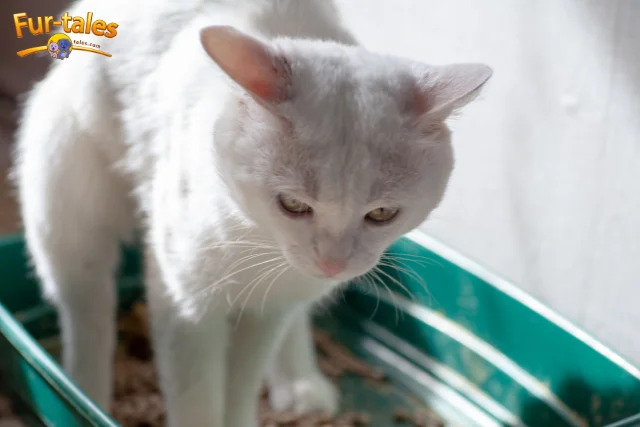
Natural Home Treatments for Cat Constipation: 7 Proven Remedies
If your usually sprightly feline suddenly seems sluggish, avoids the litter box, or strains when trying to go, you may be dealing with cat constipation. While the occasional skipped bathroom trip isn’t unusual, chronic or severe constipation can be uncomfortable for your cat and may even lead to more serious health problems. The good news is that there are several natural remedies you can try at home to help get things moving—safely and effectively. This guide explores the common causes of constipation in cats, signs to watch for, and seven proven home treatments that can make a real difference.
Understanding Cat Constipation
Constipation occurs when a cat’s bowel movements become infrequent or difficult, leading to hard, dry stools. In mild cases, it may simply be a temporary issue, but prolonged constipation—sometimes called obstipation—can be a symptom of underlying health problems like dehydration, diet imbalance, or even intestinal blockages. Understanding the root cause helps you choose the right remedy and prevent future episodes.
Common Causes of Constipation in Cats
- Dehydration – Not enough water means stool becomes dry and hard to pass.
- Low-Fiber Diet – Cats that eat mostly dry food may lack adequate fiber for healthy digestion.
- Hairballs – Especially common in long-haired breeds, hair can build up and slow bowel movements.
- Lack of Exercise – Sedentary cats may experience slower intestinal motility.
- Stress – Changes in environment or routine can affect litter box habits.
- Obesity – Overweight cats can have reduced activity and increased digestive sluggishness.
- Medical Issues – Arthritis, spinal injuries, or megacolon can all contribute.
Signs Your Cat May Be Constipated
- Straining or crying in the litter box
- Passing small, dry, hard stools—or no stool at all
- Loss of appetite
- Lethargy or irritability
- Swollen or firm abdomen
If you notice blood in the stool, persistent vomiting, or your cat hasn’t defecated in more than 48 hours, consult a vet before attempting home remedies.
7 Proven Natural Home Treatments for Cat Constipation
1. Increase Water Intake
Hydration is the number one ally against cat constipation. Cats naturally have a low thirst drive, especially if they eat primarily dry food, so they need encouragement to drink more water.
- Provide multiple fresh water bowls around the house.
- Invest in a cat water fountain, which can entice them to drink more.
- Add a small amount of water or low-sodium chicken broth to their wet food for extra moisture.
2. Add Fiber-Rich Foods
Fiber helps bulk up stool and promotes healthy bowel movements.
- Canned pumpkin (plain, not spiced) is a gentle, natural fiber source. Add 1–2 teaspoons to their food.
- Psyllium husk powder can be mixed into wet food (ask your vet for dosage).
- High-fiber cat foods are also available for chronic cases.
3. Switch to Wet Food
Wet food naturally contains more moisture, helping prevent dehydration—a common culprit behind cat constipation.
- Gradually transition from dry kibble to wet food to avoid digestive upset.
- You can mix dry and wet food at first, then increase the proportion of wet food over a week.
4. Promote More Exercise
A sedentary lifestyle can slow digestion. Encourage your cat to move more:
- Use interactive toys like feather wands or laser pointers.
- Create vertical climbing spaces such as cat trees.
- Play for short bursts several times a day to keep things stimulating.
5. Offer Safe Oils for Lubrication
Small amounts of safe oils can help soften stool and promote easier passage.
- Add ½ teaspoon of olive oil or coconut oil to your cat’s food a few times a week.
- Avoid giving mineral oil directly, as inhalation during administration can be dangerous.
6. Manage Hairballs
Hair buildup can slow or block stool movement.
- Regular grooming reduces the amount of hair your cat swallows.
- Hairball-control treats or specially formulated foods can help.
- Occasional use of vet-approved hairball lubricants can be beneficial.
7. Reduce Stress and Ensure a Comfortable Litter Box
Stress can cause cats to avoid the litter box, worsening constipation.
- Keep the litter box clean and placed in a quiet, low-traffic area.
- Provide one box per cat plus one extra.
- Consider using calming diffusers or sprays for anxious cats.
When to Seek Veterinary Help
While home remedies can be effective for mild cases, certain situations require immediate veterinary attention:
- No bowel movement for more than 48–72 hours
- Straining with no results
- Vomiting, loss of appetite, or severe lethargy
- Presence of blood or mucus in stool
These symptoms could indicate more serious issues like intestinal blockage, megacolon, or systemic illness.
Prevention Tips for Long-Term Digestive Health
- Feed a balanced, moisture-rich diet
- Keep fresh water available at all times
- Brush your cat regularly to prevent excessive hair ingestion
- Maintain a healthy weight through diet and activity
- Schedule regular vet checkups to catch issues early
FAQs About Cat Constipation
Q: Can I give my cat human laxatives?
No. Many human laxatives are unsafe for cats and can cause serious harm. Always consult your vet for pet-safe options.
Q: How quickly do home remedies work for cat constipation?
Mild constipation may improve within 24–48 hours, but if there’s no change, see your vet promptly.
Q: Is milk a good home remedy for constipation in cats?
No. Most adult cats are lactose intolerant, and milk can cause diarrhea or stomach upset, not healthy bowel relief.
Q: Can stress cause cat constipation?
Yes. Cats are sensitive to changes in their environment, and stress can lead to changes in bathroom habits.
Q: What’s the safest long-term prevention method?
A diet with adequate moisture and fiber, regular exercise, and routine grooming are the best ways to prevent constipation in cats.
Image Source: Canva
