
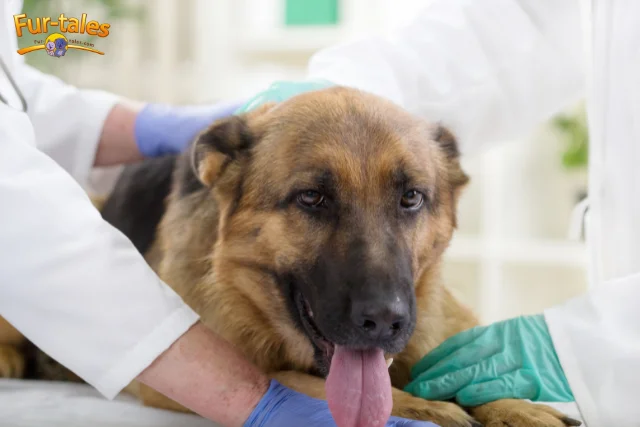
German Shepherd Health: Common Issues and How to Keep Them Fit
If you’ve ever met a German Shepherd, you know they’re majestic, intelligent, and highly loyal dogs. Known for their sharp instincts and work ethic, German Shepherds are commonly employed as service animals, police dogs, and loving family companions. But with such an active and purposeful breed comes specific health concerns and fitness needs.
Whether you’re a first-time German Shepherd owner or a seasoned enthusiast, understanding the common health issues these dogs face and how to keep them fit is key to ensuring a long, happy life for your furry friend. In this comprehensive guide, we’ll dive into typical German Shepherd health problems, preventive care, and effective fitness routines tailored for this dynamic breed.
Common Health Issues in German Shepherds
Despite their robust appearance, German Shepherds are genetically predisposed to several health challenges. Knowing what to look for can help catch potential problems early.
1. Hip and Elbow Dysplasia
One of the most well-known health concerns in German Shepherds is hip dysplasia—a condition where the hip joint doesn’t develop properly, leading to arthritis or pain. Elbow dysplasia is a similar issue affecting the front limbs.
Symptoms to watch for:
- Limping or favoring one leg
- Difficulty rising from a seated or lying position
- Decreased activity or reluctance to run and jump
Regular vet checkups, maintaining a healthy weight, and providing joint supplements can mitigate the progression of dysplasia.
2. Degenerative Myelopathy
This is a progressive disease of the spinal cord that commonly affects German Shepherds in their senior years. It begins with hind limb weakness and can lead to paralysis.
Signs include:
- Dragging of the hind legs
- Difficulty standing or walking
- Loss of coordination
While there’s no cure, physical therapy and supportive mobility aids can help maintain quality of life.
3. Gastric Dilatation-Volvulus (Bloat)
Bloat is a serious, often fatal condition where the stomach fills with gas and twists, cutting off blood supply. German Shepherds, due to their deep chests, are particularly at risk.
Symptoms include:
- Distended abdomen
- Unproductive retching
- Restlessness or pacing
- Rapid breathing
Feeding smaller meals throughout the day, avoiding vigorous exercise post-meals, and considering surgical gastropexy for high-risk dogs are preventive strategies.
4. Exocrine Pancreatic Insufficiency (EPI)
German Shepherds are also prone to EPI, where the pancreas fails to produce enough digestive enzymes.
Look for:
- Chronic diarrhea
- Weight loss despite a good appetite
- Poor coat quality
With proper enzyme supplements and a specialized diet, dogs with EPI can lead normal lives.
5. Allergies and Skin Issues
Skin allergies are common in German Shepherds, triggered by food, environmental factors, or parasites like fleas.
Common symptoms:
- Persistent itching and scratching
- Red, inflamed skin
- Ear infections
Treatments vary from dietary changes to allergy medications, but identifying the root cause is essential.
Routine Veterinary Care: Your First Line of Defense
Preventative veterinary care plays a critical role in managing German Shepherd health. Here’s what an ideal routine should include:
- Annual check-ups: Regular wellness exams help catch early signs of illness.
- Vaccinations: Ensure your German Shepherd is up-to-date on core vaccines like rabies, parvovirus, and distemper.
- Dental care: Brush your dog’s teeth regularly and schedule professional cleanings to prevent gum disease.
- Parasite prevention: Monthly preventatives for fleas, ticks, and heartworms are a must.
- Spaying or neutering: This can prevent certain cancers and reduce behavioral issues.
Staying consistent with these measures sets a solid foundation for your German Shepherd’s long-term health.
Nutrition: Fueling Your German Shepherd’s Health
Nutrition is fundamental to your German Shepherd’s well-being. A balanced diet tailored to their size, activity level, and age can help ward off many health problems.
What to Look for in German Shepherd Dog Food
- High-quality protein: Look for real meat like chicken, beef, or fish as the first ingredient to support muscle mass.
- Healthy fats: Omega-3 and Omega-6 fatty acids promote a shiny coat and healthy skin.
- Joint support: Foods containing glucosamine and chondroitin can aid joint health.
- Digestibility: Probiotics and fiber are essential for a healthy digestive system, especially in a breed prone to EPI.
Feeding an age-appropriate diet—puppy, adult, or senior formula—is equally important, as nutritional needs change over time.
Keeping Your German Shepherd Fit and Active
German Shepherds are a working breed, and they thrive on mental and physical stimulation. Boredom can lead to destructive behavior, so keeping them engaged is crucial.
1. Daily Exercise Routine
A German Shepherd needs at least one to two hours of exercise per day. This can be split between walks, runs, and playtime.
Activities to include:
- Long walks or hikes
- Fetch or frisbee
- Agility training
- Swimming (excellent for joints)
Consistency is key. A physically fit German Shepherd is less likely to develop obesity, a contributing factor to many health issues.
2. Mental Stimulation
Their high intelligence requires more than just physical workouts. Puzzle toys, obedience training, and scent games keep their minds sharp.
Ideas for mental engagement:
- Hide-and-seek with treats
- Training new commands and tricks
- Interactive puzzle feeders
3. Socialization
Early and consistent socialization helps your German Shepherd become a well-adjusted adult dog. Exposure to different people, pets, and environments can reduce anxiety and behavioral problems.
4. Rest and Recovery
After physical exertion, ensure your German Shepherd has a quiet, comfortable place to rest. Adequate sleep and recovery time are just as important as exercise for overall health.
Grooming for Health
Proper grooming helps keep your German Shepherd’s coat and skin healthy, reducing the risk of infections and spotting potential health issues early.
- Brushing: Their double coat sheds year-round, with heavier shedding twice a year. Regular brushing (at least 2-3 times weekly) helps control shedding and prevents matting.
- Bathing: Every few months or as needed using dog-specific shampoos.
- Ear cleaning: German Shepherds can be prone to ear infections, so check and clean their ears regularly.
- Nail trimming: Long nails can affect gait and cause joint stress.
Signs Your German Shepherd Needs a Vet
Even with the best care, things can go wrong. Here are some red flags that warrant a veterinary visit:
- Sudden weight loss or gain
- Limping or difficulty moving
- Excessive scratching or licking
- Changes in appetite or drinking habits
- Persistent vomiting or diarrhea
- Unusual lumps or bumps
Never ignore these signs. Prompt medical attention can often make a significant difference in outcomes.
Tips for Senior German Shepherd Health
As German Shepherds age, their needs evolve:
- Lower-impact exercise: Switch to gentle activities like swimming or shorter walks.
- Senior diet: Specialized diets can support joint health, brain function, and digestive health.
- More frequent vet visits: Biannual checkups help catch age-related issues early.
- Comfortable bedding: Memory foam beds can ease joint pain.
By adjusting care routines, you can help your senior German Shepherd enjoy their golden years comfortably.
Conclusion
Owning a German Shepherd is a rewarding experience, but it comes with responsibilities—especially regarding health and fitness. By understanding common health issues like hip dysplasia, bloat, and degenerative myelopathy, and committing to a regimen of exercise, mental stimulation, and proper nutrition, you’re giving your German Shepherd the best chance at a long, healthy life.
Fitness isn’t just about running and playing; it’s about a holistic approach that includes mental health, grooming, and preventive veterinary care. A fit, well-cared-for German Shepherd is not only happier but also a more loyal and active companion.
FAQs About German Shepherd Health and Fitness
Q1: How often should I exercise my German Shepherd?
A healthy adult German Shepherd should have 1-2 hours of physical exercise daily. Puppies and seniors may require less but still need regular movement and mental stimulation.
Q2: What is the best diet for a German Shepherd?
A high-protein, well-balanced diet that includes joint-support supplements, healthy fats, and digestive aids is ideal. Always choose premium-quality dog food suitable for your dog’s age.
Q3: How can I prevent hip dysplasia in my German Shepherd?
While you can’t completely prevent hip dysplasia if there’s a genetic predisposition, maintaining a healthy weight, providing joint supplements, and ensuring regular, moderate exercise can help minimize risks.
Q4: When should I start training my German Shepherd?
Training should start as early as 8 weeks old, focusing on basic commands and socialization. Early training establishes good behavior patterns that last a lifetime.
Q5: Are German Shepherds good with children and other pets?
Yes, when properly socialized, German Shepherds can be excellent with children and other pets. Their protective and loyal nature makes them great family companions.
Q6: What is the average lifespan of a German Shepherd?
The average lifespan of a German Shepherd is 9 to 13 years, depending on genetics, health care, and overall fitness.
Image Source: Canva
