
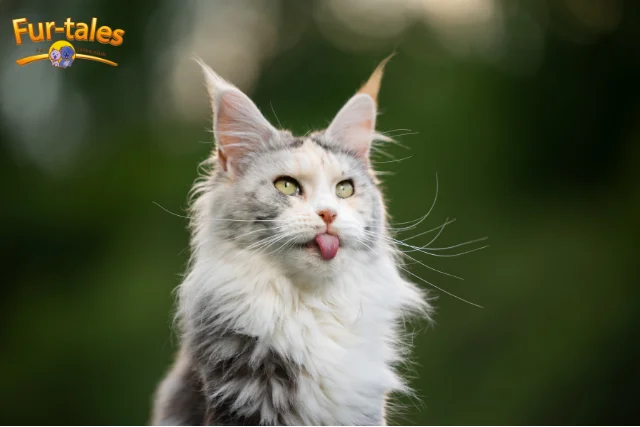
Natural vs. Synthetic Cat Supplements: Which Is Better?
As cat parents, we go to great lengths to ensure our feline companions are happy, healthy, and thriving. From providing premium food to scheduling regular vet visits, their well-being is our top priority. But what happens when your vet suggests a supplement to support your cat’s joint health, immune function, or digestion? With the shelves stocked with countless options, many pet owners find themselves asking: should I choose natural or synthetic cat supplements?
Understanding the differences between these two types, how they impact feline health, and which might be the better choice for your pet can help you make an informed decision. In this guide, we’ll explore the key distinctions, pros and cons, and what factors to consider before picking the best supplement for your cat.
What Are Cat Supplements?
Cat supplements are nutritional products designed to provide additional vitamins, minerals, herbs, or other ingredients to support a cat’s health. While high-quality commercial cat food typically provides balanced nutrition, certain conditions, life stages, or health concerns may require added support.
Common types of cat supplements include:
- Joint support (e.g., glucosamine, chondroitin)
- Immune boosters (e.g., omega-3 fatty acids, lysine)
- Digestive aids (e.g., probiotics, enzymes)
- Skin and coat enhancers (e.g., biotin, fish oil)
- Stress and anxiety support (e.g., L-theanine, CBD)
These supplements can come in the form of powders, chews, capsules, liquids, or even treats.
What’s the Difference Between Natural and Synthetic Cat Supplements?
The primary difference lies in how the supplement’s ingredients are sourced and processed.
Natural Cat Supplements
Natural cat supplements are derived from whole food sources, plants, herbs, or other naturally occurring compounds. The ingredients are minimally processed and generally retain their bioactive components in their original form.
For example:
- Fish oil for omega-3s
- Turmeric for anti-inflammatory properties
- Chamomile or valerian root for calming effects
- Brewer’s yeast for B vitamins
Proponents of natural supplements believe they are more easily absorbed and gentler on the digestive system due to their biological familiarity.
Synthetic Cat Supplements
Synthetic supplements are created through chemical synthesis in laboratories. These products are designed to replicate the molecular structure of naturally occurring nutrients.
Examples include:
- Ascorbic acid (synthetic vitamin C)
- Cyanocobalamin (synthetic vitamin B12)
- DL-alpha tocopherol (synthetic vitamin E)
Synthetic supplements may offer higher potency and consistency in dosing, as they are produced in controlled environments with standardized concentrations.
The Pros and Cons of Natural Cat Supplements
Pros:
- Holistic appeal: Many pet owners prefer “natural” due to its association with whole, minimally processed sources.
- Gentler on the body: Natural ingredients may be less likely to cause gastrointestinal upset.
- Synergistic compounds: Whole foods often contain co-factors that aid in absorption and effectiveness.
Cons:
- Inconsistency: Nutrient content in natural sources can vary by batch, affecting potency.
- Shorter shelf life: Natural ingredients may spoil more quickly than their synthetic counterparts.
- Cost: Natural supplements are often more expensive due to the sourcing and minimal processing.
The Pros and Cons of Synthetic Cat Supplements
Pros:
- Precision: You get exact, measurable doses of specific nutrients.
- Stability: Longer shelf life and stability during storage.
- Cost-effective: Often cheaper to produce and more widely available.
Cons:
- Bioavailability concerns: Some synthetic forms are not as easily absorbed as their natural counterparts.
- Potential additives: Synthetic products may contain fillers, preservatives, or artificial flavors.
- Isolated nutrients: Lacking the natural co-factors found in whole food sources.
How to Choose the Right Type of Supplement for Your Cat
There is no one-size-fits-all answer to whether natural or synthetic cat supplements are better. Your decision should be based on several key factors:
1. Your Cat’s Specific Health Needs
- A senior cat with arthritis may benefit from joint support supplements, where natural green-lipped mussel or turmeric could be used alongside synthetic glucosamine.
- A cat prone to urinary tract infections might need cranberry extract (natural) or synthetic vitamin C.
Consider your cat’s health history, symptoms, and any existing conditions.
2. Bioavailability and Efficacy
Some synthetic nutrients, like folic acid, are highly bioavailable. Others, like synthetic vitamin E, are less effective than natural alternatives. Natural options tend to be better absorbed when they come with their co-nutrients (like how vitamin D enhances calcium absorption).
3. Your Cat’s Sensitivities
If your cat has allergies or a sensitive stomach, natural supplements may be less irritating. Always check labels for potential allergens, artificial colors, and preservatives.
4. Veterinarian Recommendations
Always consult your vet before starting any supplement. They can help determine whether your cat actually needs supplementation and what kind would be most effective.
5. Brand Transparency
Choose reputable brands that conduct third-party testing, provide full ingredient disclosures, and are transparent about their sourcing. Whether natural or synthetic, quality control matters more than the label itself.
A Look at Popular Cat Supplement Categories
Omega-3 Fatty Acids
Natural: Fish oil, krill oil
Synthetic: Ethyl ester forms of omega-3s
Verdict: Natural omega-3s from fish oil are generally better absorbed and have fewer side effects.
Joint Health
Natural: Green-lipped mussel, turmeric
Synthetic: Glucosamine HCl, chondroitin sulfate
Verdict: A combination of both natural and synthetic can be very effective. Look for a synergistic formula.
Vitamins
Natural: B-complex from brewer’s yeast, vitamin C from acerola cherry
Synthetic: Cyanocobalamin (B12), ascorbic acid (C)
Verdict: Synthetic vitamins can be effective but watch for filler ingredients.
Calming Supplements
Natural: Valerian root, chamomile, CBD
Synthetic: L-theanine
Verdict: Natural herbs may work better for mild stress, while synthetic L-theanine is useful for stronger anxiety support.
Natural Doesn’t Always Mean Safer
While natural options have a wholesome appeal, remember that not all natural ingredients are safe for cats. For example:
- Garlic and onions (even in supplement form) are toxic to cats.
- Some essential oils can cause liver damage.
- Herbal products may interact with medications.
Similarly, synthetic doesn’t automatically mean harmful. The safety and effectiveness of any supplement—natural or synthetic—depend largely on the dosage, purity, and how it’s administered.
Should You Combine Natural and Synthetic Supplements?
In many cases, a blend of natural and synthetic ingredients provides the best of both worlds. For example, a joint support supplement may use natural anti-inflammatories (like turmeric) along with synthesized glucosamine for structural support. The key is finding balanced formulas designed specifically for cats and tailored to their needs.
Signs a Supplement May Not Be Working
- No visible improvement after 4–6 weeks
- Digestive upset (vomiting, diarrhea)
- Skin reactions or changes in appetite
- Increased lethargy
Discontinue the supplement and consult your vet if any of these signs appear.
Final Thoughts: What’s Best for Your Cat?
When it comes to choosing between natural and synthetic cat supplements, the right choice depends on your cat’s individual health profile, your vet’s guidance, and the quality of the product. Natural supplements offer a holistic approach and are great for pet owners seeking gentle, whole-food-based solutions. Synthetic options, on the other hand, provide precise dosing and affordability.
The ultimate goal is the same: to support your cat’s health in the most effective and safe way possible.
Whether you’re managing arthritis, calming anxiety, or boosting immunity, a well-chosen supplement—natural or synthetic—can be a powerful tool in your cat care toolkit.
FAQs
Q: Are natural cat supplements always safer than synthetic ones?
Not necessarily. While natural supplements can be gentler, some herbs and extracts may be harmful to cats if not properly dosed or formulated. Always choose cat-specific products and consult your vet.
Q: Can I give my cat human supplements?
It’s not recommended. Human supplements often contain dosages and inactive ingredients that may be unsafe for cats. Always choose supplements formulated specifically for feline use.
Q: How long does it take for a supplement to work?
Most supplements take 4 to 6 weeks to show visible results. Some may take longer depending on the health concern being addressed.
Q: What’s the best way to give supplements to a picky cat?
Try flavored chewables, mix powders into wet food, or use liquid formulas with a dropper. Some brands offer palatable options that mimic treats.
Q: Can supplements replace a healthy diet?
No. Supplements are meant to enhance a balanced diet—not replace it. High-quality cat food should remain the foundation of your pet’s nutrition.
Image Source: Canva
