
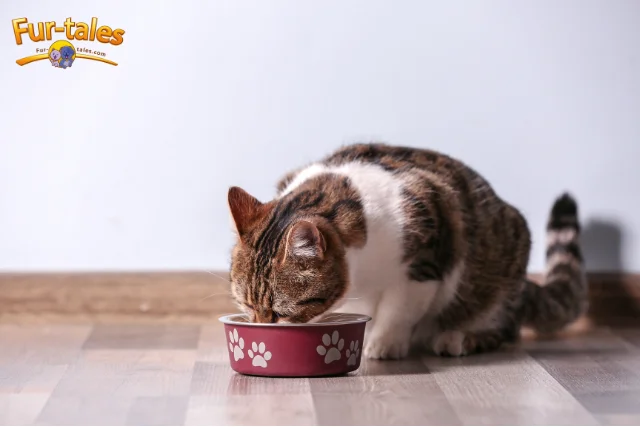
Wet Food vs. Dry Food: Which Cat Food is More Hydrated?
If you have ever watched your cat saunter past a perfectly full water bowl, you know how tricky it can be to keep felines properly hydrated. Domestic cats evolved from desert-dwelling ancestors who obtained most of their moisture from prey, so they rarely drink large volumes on their own. That means the type of cat food you offer—wet or dry—plays a starring role in your pet’s daily water intake. In this in-depth guide for U.S. pet lovers, we’ll compare moisture levels, explore health impacts, and share smart feeding strategies to ensure your cat stays comfortably hydrated.
Why Hydration Matters for Cats
Adequate water supports almost every bodily function:
- Kidney filtration—flushing toxins and preventing crystal buildup
- Digestive motility—keeping hairballs and constipation at bay
- Joint lubrication—important for rambunctious kittens and aging seniors alike
- Temperature regulation—especially critical in warmer U.S. climates
When hydration dips, issues such as urinary tract infections, chronic kidney disease, or bladder stones may follow. Because cats can’t tell us they’re thirsty, placing hydration at the center of your cat food game plan is essential.
Moisture Content: Wet vs. Dry at a Glance
- Wet food (canned or pouch): 70–85 percent moisture
- Dry food (kibble): 6–12 percent moisture
A typical 3-ounce can of wet cat food delivers around 2 to 2.5 ounces of water. In contrast, a quarter-cup of kibble provides barely a teaspoon. That gap has major implications for cats that seldom lap water voluntarily.
Benefits of Wet Food for Hydration
- Built-in moisture: Every bite bathes the digestive tract, reducing the burden on drinking behavior.
- Higher protein, lower carbs: Most canned formulas mimic the macronutrient profile of prey; protein metabolism produces metabolic water that further supports hydration.
- Diluted urine: The extra fluid increases urine volume, lowering mineral concentration and the risk of struvite or calcium oxalate stones.
- Enhanced palatability: The aroma and texture often entice picky eaters, promoting consistent caloric and liquid intake.
Real-World Example
A 10-pound indoor cat fed two 3-ounce cans of wet cat food ingests roughly 5 ounces of water—about half the daily recommendation—before touching a water bowl.
How Dry Food Affects Hydration
Dry kibble is convenient, shelf-stable, and cost-effective, but its low moisture can challenge feline hydration.
- Dehydration risk: Cats relying on kibble must drink substantially more water than their wet-fed counterparts—a tall order for naturally low-thirst animals.
- Calorie density: Dry cat food packs more calories per ounce. If owners free-feed bowls of kibble, overeating may occur, leading to obesity, a risk factor for urinary tract disease.
- Dental misconception: While crunchy texture can reduce soft plaque, it is not a guarantee against tartar or gum disease; hydration remains separate from oral health benefits.
The Kibble Water Deficit
A kibble-fed cat needs to drink an additional cup of water (about 8 ounces) daily to match the total fluid intake of a cat eating only canned food. Many fall short, especially senior cats with reduced thirst perception.
Is a Mixed Feeding Approach the Best of Both Worlds?
Combining wet and dry cat food can balance moisture intake with convenience and cost. A popular split is 50 percent calories from canned food and 50 percent from kibble. This strategy:
- Raises overall dietary water
- Provides textural variety for enrichment
- Allows crunchy treats that some cats crave
- Gives owners flexibility during travel or supply shortages
If you blend styles, ensure you’re not doubling calories. Measure portions carefully and adjust based on your cat’s weight and activity.
Additional Ways to Boost Water Intake
- Multiple water stations: Place bowls in quiet, separate spots—cats prefer to drink away from food and litter areas.
- Running water fountains: The sound and movement entice many felines who ignore stagnant bowls.
- Broth toppers: Low-sodium chicken or bone broth drizzled over kibble adds flavor and moisture (check labels for onion or garlic, which are toxic to cats).
- Ice cube toys: Freeze tuna water or diluted broth into cubes; batting them around turns hydration into play.
- Wide, shallow bowls: Sensitive whiskers can cause “whisker fatigue.” Broad dishes reduce discomfort and promote longer drinking sessions.
- Flavor rotation: Offer different wet cat food textures—pâté, shredded, or minced—to maintain interest.
- Moist kibble: Add a tablespoon of warm water to kibble and let it soften. This simple trick can raise moisture without fully abandoning dry food.
Special Considerations for Health Conditions
- Chronic kidney disease (CKD): Veterinarians often recommend phosphate-restricted, high-moisture diets to ease kidney workload. Wet renal formulas fit the bill.
- Diabetes mellitus: Consistent hydration helps manage blood glucose swings. Low-carb, high-protein canned cat food supports stable energy and fluid balance.
- Urinary crystals: Increasing water through wet diets or broth-soaked kibble dilutes urine minerals, reducing crystal formation.
- Obesity: Wet food’s higher water content means larger serving volumes without extra calories, helping cats feel full.
Always consult your vet before switching diets if your cat has a medical condition.
Cost Analysis: Wet vs. Dry
On average, feeding a 10-pound cat premium wet cat food costs $1.50–$2.50 per day, while high-quality kibble may cost $0.40–$0.80 per day. However, factor in potential health savings:
- Reduced vet visits for urinary tract issues
- Less need for prescription diets or medications
- Greater quality of life—priceless for you and your companion
Environmental Impact
Wet cat food typically comes in aluminum cans or pouches. Aluminum is recyclable, but pouches often are not, contributing to landfill waste. Kibble bags are also tricky to recycle due to mixed materials. If sustainability is a concern, choose brands using recyclable or biodegradable packaging and practice proper disposal.
Transitioning Your Cat to Higher-Moisture Foods
- Gradual mixing: Replace 10 percent of old food with new every few days.
- Temperature tweak: Warm wet food to release aroma—just ensure it’s not hot.
- Texture play: Some cats prefer chunk-in-gravy over pâté; experiment to find favorites.
- Positive association: Offer wet bites as treats during play or grooming to build enthusiasm.
Patience is key; sudden switches can upset digestion or trigger refusal.
Signs Your Cat Is Well-Hydrated
- Elastic skin: Gently pinch shoulder skin; it should snap back quickly.
- Moist gums: Healthy gums feel slick, not sticky.
- Adequate urine output: Clumps in the litter box are moderate, not tiny or excessively large.
- Energetic behavior: Hydrated cats are more playful and alert.
If you notice lethargy, dry gums, or infrequent urination, consult a veterinarian promptly.
FAQs
Q1: Can I feed only dry food if my cat drinks plenty of water?
Yes, some cats do compensate by drinking more, but this is unpredictable. Offering at least some wet cat food is generally safer for long-term hydration.
Q2: Is homemade raw diet better for hydration?
Raw meat contains about 70 percent water, similar to canned food. However, raw diets require meticulous nutrient balancing and safe handling to avoid bacterial risks. Consult a veterinary nutritionist before switching.
Q3: My cat refuses wet food. What now?
Try different protein sources, textures, or warm the food slightly. Mixing a teaspoon of tuna water (no salt) can tempt stubborn eaters. If your cat still resists, enhance kibble moisture with water or broth.
Q4: Does adding water to dry food cause dental issues?
No. While dry kibble offers minimal scraping action, softening it won’t significantly change dental health. Regular brushing and vet cleanings are more effective than relying on kibble texture.
Q5: Are fish-based canned foods dehydrating?
Fish formulas hydrate as well as poultry or beef varieties because moisture comes from the canning broth. The key is overall water percentage, not protein source.
Image Source: Canva
