
Hair or No Hair? Comparing Long-Haired and Hairless Cat Breeds
When it comes to choosing the purr-fect feline companion, many potential cat parents find themselves asking: to shed or not to shed? The choice between long-haired cat breeds and hairless cat breeds is more than just a matter of aesthetics. It touches on grooming needs, allergies, personality quirks, and lifestyle compatibility.
Whether you’re enchanted by the flowing mane of a Maine Coon or intrigued by the sleek, alien-like elegance of a Sphynx, this article will help you weigh the pros and cons of both long-haired and hairless cat breeds.
Understanding Long-Haired Cat Breeds
The Appeal of Long-Haired Cats
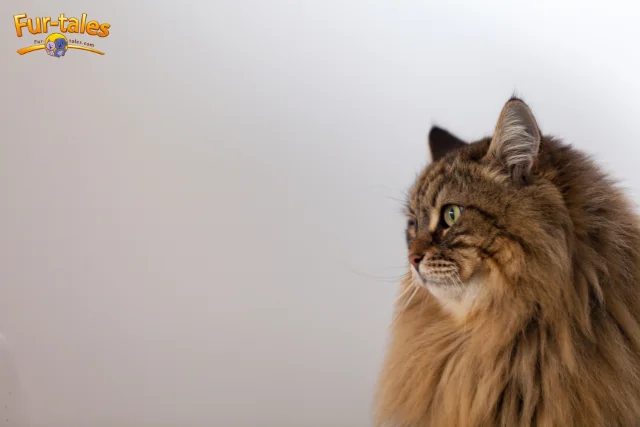
Long-haired cats are the epitome of feline luxury. Their coats can be thick, silky, and often double-layered, making them look plush and majestic. Breeds like the Persian, Maine Coon, Ragdoll, and Norwegian Forest Cat are especially beloved for their fluff factor.
These cats are often show-stoppers in appearance, with their fur adding an aura of grace and regality. Many long-haired breeds have laid-back, affectionate temperaments, making them ideal lap cats.
Grooming Requirements
However, beauty comes with maintenance. Long-haired cats require regular grooming, often daily or at least several times a week, to prevent mats and tangles. Without consistent brushing, their undercoats can become knotted, which can lead to skin irritation and infection.
Grooming is also an excellent bonding experience. Some cats enjoy the attention, and with positive reinforcement, grooming time can become a relaxing ritual.
Shedding and Allergens
A common concern with long-haired breeds is shedding. These cats do shed — a lot. This can lead to more cleaning around the house and more lint rollers in your arsenal. Additionally, cat allergens (notably the Fel d 1 protein) tend to stick to fur, which means more hair often equals more allergens.
While no cat is truly hypoallergenic, long-haired breeds may not be ideal for allergy sufferers.
Exploring Hairless Cat Breeds
The Allure of Hairless Cats
Hairless cat breeds like the Sphynx, Peterbald, and Donskoy are increasingly popular for their striking appearance and low-maintenance grooming (at least in the traditional sense). With their exposed skin, prominent cheekbones, and expressive eyes, these cats often look like works of modern art.
Hairless breeds tend to be affectionate, curious, and playful. They’re often described as “dog-like” in their desire to be near their humans. Many are social butterflies, getting along well with kids, other pets, and visitors.
Grooming and Skin Care
You might think that no hair means no grooming — but it’s quite the opposite. Hairless cats need regular baths, usually once a week. Without fur to absorb natural oils, these oils accumulate on their skin, leading to greasiness or even acne.
Because they’re lacking that protective coat, hairless cats are also vulnerable to temperature changes and sunburn. They may need sweaters in winter and should be kept indoors or shaded when outdoors.
Allergy Considerations
Despite being hairless, breeds like the Sphynx are not truly hypoallergenic. They still produce allergens in their saliva and skin. However, many allergy sufferers report fewer symptoms around hairless cats, making them a more manageable option for sensitive individuals.
Key Comparisons: Long-Haired vs. Hairless Cats
| Trait | Long-Haired Cats | Hairless Cats |
|---|---|---|
| Grooming Needs | Frequent brushing; occasional baths | Weekly baths; skin care routine |
| Shedding | High; hair around the house | Minimal; no fur but skin oils present |
| Allergy-Friendly | Lower for allergy sufferers | Slightly better; less fur, but not hypoallergenic |
| Appearance | Luxurious, fluffy, regal | Sleek, muscular, unique |
| Climate Needs | Comfortable in colder climates | Need protection from cold & sun |
| Personality | Often calm and affectionate | Highly social, energetic, attention-seeking |
| Maintenance Level | Moderate to high | Moderate to high, but in different ways |
Best Long-Haired Cat Breeds
- Maine Coon
America’s gentle giant. Sociable, intelligent, and relatively low-maintenance compared to other long-haired breeds. - Persian
Regal and calm. Requires daily grooming but offers unmatched elegance and charm. - Ragdoll
Laid-back, affectionate, and often compared to floppy dolls when held. Their semi-long coat is silky and less prone to matting. - Birman
With white paws and sapphire eyes, Birmans are affectionate and enjoy being part of the family. - Norwegian Forest Cat
Strong and rugged, this breed has a thick double coat made for snowy weather and needs regular grooming.
Best Hairless Cat Breeds
- Sphynx
The most iconic hairless breed. Friendly, energetic, and loves to be the center of attention. - Peterbald
A slender, elegant breed from Russia. Some are completely hairless, while others have a peach-fuzz-like coat. - Donskoy (Don Sphynx)
Not related to the Sphynx genetically. These cats may develop more wrinkles and can have varying degrees of hairlessness. - Elf Cat
A newer breed that combines the hairlessness of the Sphynx with curled ears from the American Curl. - Bambino
A mix of Sphynx and Munchkin cats — small in size but big in personality, with short legs and a naked body.
Which Type Is Right for You?
Lifestyle Compatibility
- If you prefer a low-maintenance grooming routine and don’t mind regular baths, a hairless cat might suit you better.
- If you love the ritual of brushing and want a majestic companion to curl up with, long-haired cats are a dream come true.
Climate and Environment
- Long-haired cats thrive in cooler environments.
- Hairless breeds need to be indoor-only cats and are better suited to controlled climates.
Allergies and Cleanliness
- Hairless cats may be easier for some allergy sufferers, but they still need bathing to reduce dander buildup.
- Long-haired cats can trigger allergies more easily and require vacuuming and grooming to manage loose fur.
Final Thoughts
At the end of the day, both long-haired and hairless cats make wonderful companions, each with unique traits and requirements. Choosing between the two comes down to lifestyle preferences, grooming commitment, and aesthetic taste.
Whichever you choose, remember that love, care, and regular vet check-ups are far more important than coat type.
FAQs
Q: Are hairless cats truly hypoallergenic?
No, hairless cats still produce allergens through their saliva and skin. Some people with mild allergies may tolerate them better, but reactions can still occur.
Q: How often should I bathe my hairless cat?
Most hairless cats require weekly baths to remove oil buildup and prevent skin issues.
Q: Do long-haired cats require professional grooming?
Not always, but occasional professional grooming can help prevent mats, especially in breeds like Persians.
Q: Do long-haired cats shed more than short-haired or hairless breeds?
Yes, they typically shed more, and their fur can cling to furniture and clothes.
Q: Can hairless cats go outside?
They should be kept indoors or only go outside under supervision due to their vulnerability to sunburn and temperature changes.
Image Source: Canva
